

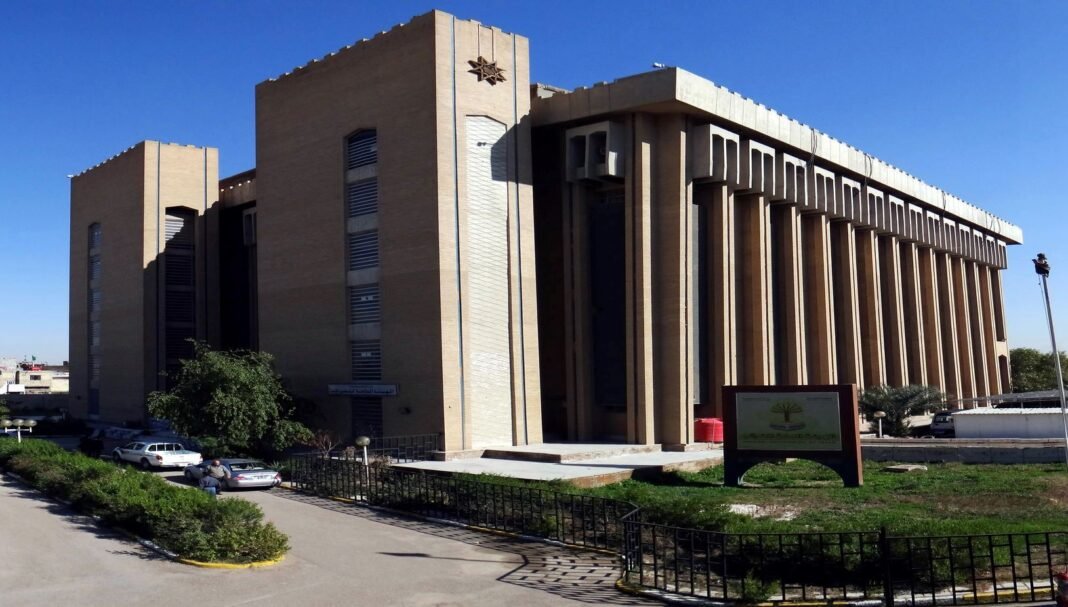
The Iraq corruption ruling marked a significant development in the country’s ongoing campaign against financial crimes and public sector corruption. Iraqi authorities announced that a Baghdad court sentenced the former Director-General of the General Commission of Taxes, Osama Hossam Jawdat, and his wife after finding them guilty of money laundering offenses. The decision also included extensive financial penalties and the confiscation of domestic and international assets linked to the case.
The ruling came from the Central Anti-Corruption Criminal Court following an investigation conducted by Iraq’s Federal Commission of Integrity. Authorities described the investigation as detailed and supported by financial evidence gathered during the inquiry. The court concluded that the evidence justified criminal convictions against both defendants.
The former tax chief received a 10-year prison sentence under Article 36 of Iraq’s Anti-Money Laundering and Counter-Terrorism Financing Law No. 39 of 2015. His wife received a prison sentence of five years and one month after the court determined that she played a direct role in managing and concealing illegally obtained funds.
In addition to the prison terms, the court imposed a substantial financial penalty on both defendants. The pair must jointly pay 32.49 billion Iraqi dinars, equivalent to nearly $25 million. Iraqi authorities said the fine represents part of broader efforts to recover funds connected to illegal financial activities.
The court also ordered the confiscation of 22 real estate properties linked to the case. According to the ruling, ten properties are located in Baghdad, while the remaining twelve are investment properties in Turkey. Officials stated that the assets were registered under the wife’s name and formed part of the financial investigation.
Authorities expanded the ruling beyond real estate by ordering the seizure of cash, valuable jewelry, and income generated from rental properties. The decision also covers funds held in bank accounts outside Iraq. Officials confirmed that deposits connected to the convicted individuals in Turkish banks and the National Bank of Kuwait will face legal seizure under the court’s order.
The ruling includes a permanent freeze on both movable and immovable assets belonging to the convicted couple. Iraqi authorities said these measures aim to prevent the transfer or concealment of additional wealth while legal recovery procedures continue.
The Iraq corruption ruling represents another step in Baghdad’s broader campaign to strengthen financial accountability and combat corruption. During recent years, Iraqi authorities have intensified investigations into high-profile financial crimes involving public officials and state institutions. Officials continue to emphasize the recovery of public funds alongside criminal prosecutions.
Government institutions have repeatedly pledged to pursue cases involving money laundering, embezzlement, and illicit enrichment. Anti-corruption bodies have also increased cooperation with judicial authorities to trace assets held inside Iraq and abroad. These efforts seek to reinforce public confidence in the legal system and protect state resources.
The Iraq corruption ruling is expected to remain one of the country’s most notable anti-corruption decisions this year because of its prison sentences, large financial penalties, and extensive asset confiscation measures.