

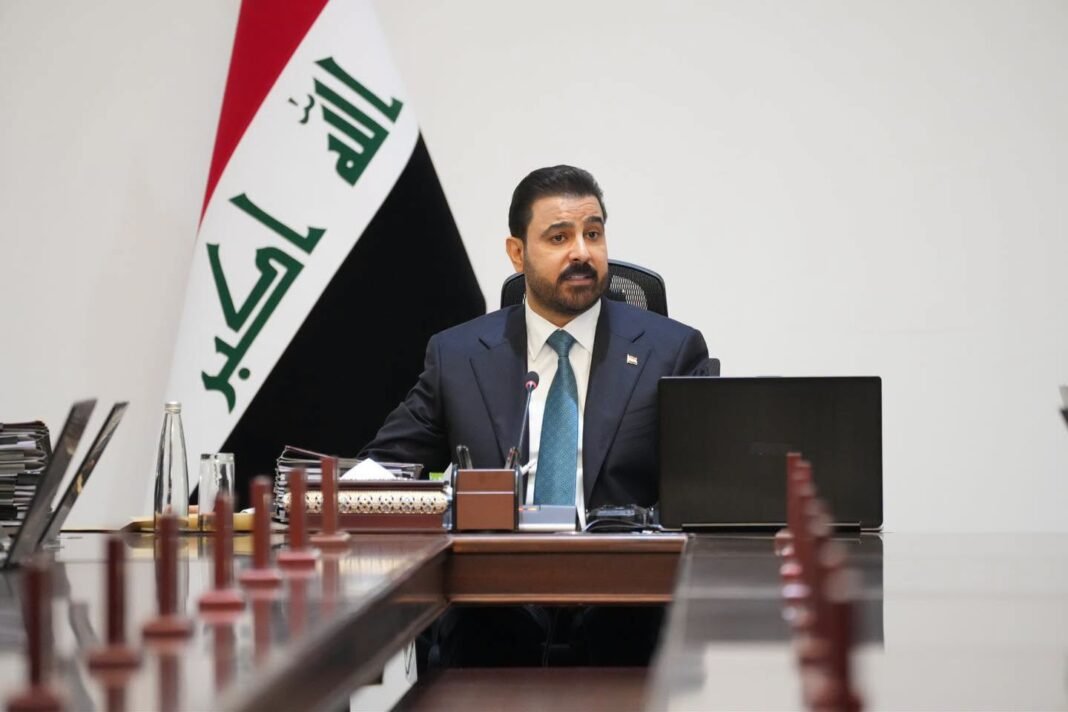
Baghdad – Iraq anti-corruption reforms remain at the center of Prime Minister Ali Al-Zaidi’s agenda as his government moves to recover stolen public funds and strengthen state institutions. During a meeting with European Union ambassadors in Baghdad, Al-Zaidi outlined his administration’s priorities for the coming years. He stressed that fighting corruption, boosting the economy, and reinforcing state authority will shape the next phase of Iraq’s reform program.
The prime minister said his government remains determined to hold accountable anyone involved in stealing or misusing public money. He also pledged to recover state assets that disappeared through corruption in previous years. According to Al-Zaidi, these efforts represent a long-term commitment rather than a temporary political campaign.
Al-Zaidi explained that rebuilding public trust depends on restoring confidence in government institutions. He said officials must protect public resources and ensure they serve the interests of Iraqi citizens. His administration believes stronger oversight and accountability will improve government performance across different sectors.
The anti-corruption campaign has become one of the defining policies of Al-Zaidi’s government since it took office following the end of Mohammed Shia Al-Sudani’s administration. Officials continue to present the campaign as a key part of wider reforms designed to improve governance and public services.
For years, corruption has remained one of Iraq’s biggest national challenges. Citizens have repeatedly expressed frustration over weak public services, delayed infrastructure projects, and inefficient government spending. Many Iraqis believe these problems have reduced economic opportunities and affected daily life across the country.
Despite billions of dollars in public spending over the past two decades, many communities still face shortages in essential services. Infrastructure projects have often progressed slowly, while employment opportunities have failed to keep pace with population growth. The government now hopes stronger financial oversight will produce better results for citizens.
During the meeting, Al-Zaidi also highlighted efforts to place all weapons under the authority of the Iraqi state. He described this objective as an active government policy rather than a political slogan. The issue has gained greater importance as coalition forces prepare to complete their scheduled withdrawal by September 30.
The prime minister also encouraged European companies to expand investments in Iraq. He invited businesses to explore opportunities in the energy, agriculture, industrial, and other productive sectors. He noted that the government continues to update laws and introduce reforms aimed at creating a more attractive investment climate.
European Union ambassadors welcomed the government’s priorities during the discussions. They praised plans focused on economic modernization, transparency, and stronger institutional governance. The diplomats also expressed support for measures that strengthen state control over weapons and improve national stability.
In addition, EU representatives signaled their willingness to deepen economic cooperation with Iraq. They discussed expanding partnerships in development projects, trade, and private sector investment. Both sides agreed that stronger cooperation could support Iraq’s long-term growth and reform goals.
As Iraq anti-corruption reforms continue to advance, the government hopes these measures will restore public confidence, attract foreign investment, and strengthen national institutions. Officials believe lasting reforms will require consistent implementation and close cooperation with international partners. The success of Iraq anti-corruption reforms will likely play a major role in shaping Iraq’s political and economic future.