

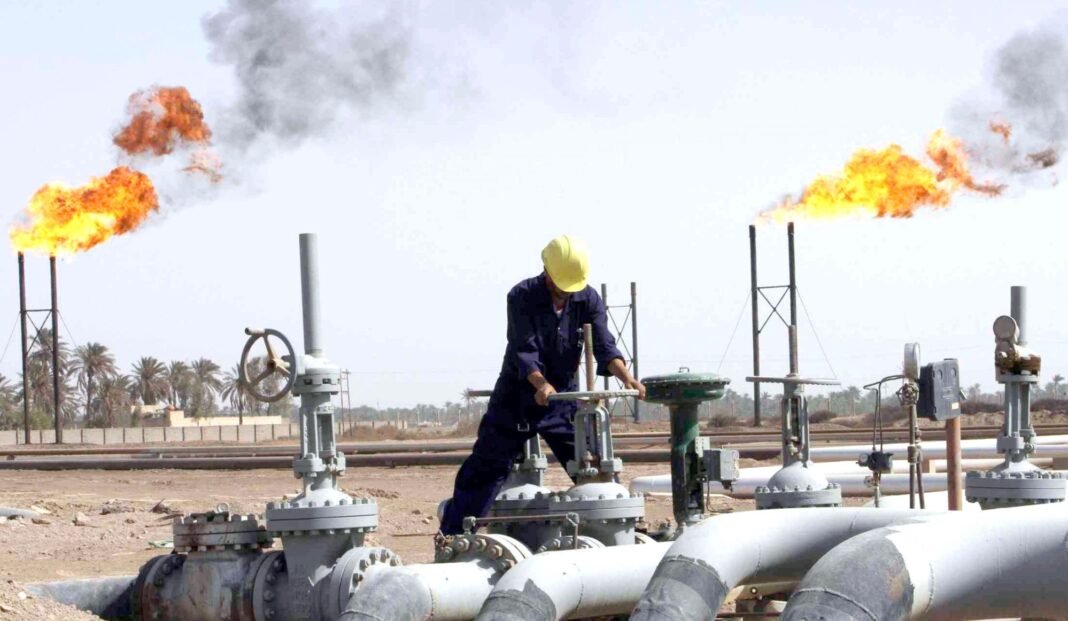
Erbil – Kurdistan oil production is beginning to recover as several international energy companies resume operations across the Kurdistan Region following weeks of disruption caused by regional conflict. Kurdish officials say the gradual restart marks an important step toward restoring the region’s energy sector and supporting Iraq’s broader oil output.
The suspension followed heightened security risks during the recent Middle East conflict. The Kurdistan Region, which hosts foreign energy companies and U.S. military personnel, experienced multiple drone attacks targeting oil infrastructure. Several production sites suffered damage, forcing operators to temporarily halt activities while assessing security conditions and repairing facilities.
Kurdistan Regional Government spokesperson Peshawa Hawramani announced that Gulf Keystone Petroleum has officially resumed production at the Shaikan oilfield. The field ranks among the largest producing assets in the Kurdistan Region and plays a significant role in regional oil exports.
According to Hawramani, other international companies are preparing to follow. Norway-based DNO is expected to restart production at the Tawke and Peshkabir oilfields, while U.S.-based HKN plans to resume operations at the Atrush field shortly afterward. Another American company, Hunt Oil, is scheduled to return to production in early July.
Officials explained that repairs delayed the reopening of several facilities. Previous drone attacks caused substantial damage to production equipment and supporting infrastructure. Energy companies spent weeks inspecting installations and completing maintenance work before safely restoring operations.
The gradual return of production reflects improving security conditions following recent diplomatic developments. Iraq hopes greater regional stability will encourage international companies to fully restore operations and expand future investment in the country’s energy sector.
Oil remains the backbone of Iraq’s economy. Revenue from crude exports provides roughly 90 percent of government income and finances much of the country’s public spending. Any disruption to production or exports therefore carries significant economic consequences for both Baghdad and the Kurdistan Region.
Before the regional conflict escalated on February 28, Iraq produced around 3.5 million barrels of oil per day. Most exports moved through the Strait of Hormuz, one of the world’s most important energy shipping routes. However, military tensions and Iran’s blockade of the waterway sharply reduced export capacity and forced Iraq to scale back production.
Following the recent agreement between Washington and Tehran to end hostilities, Iraqi officials have expressed optimism about restoring normal production levels. Authorities expect oil output to recover gradually over the coming weeks as export routes stabilize and companies complete operational preparations.
The restart of major oilfields also sends a positive signal to international investors. Stable operations could encourage additional investment in exploration, production, and energy infrastructure throughout Iraq and the Kurdistan Region.
Government officials believe the recovery will support economic stability, increase export revenues, and reinforce confidence in the region’s energy sector. If current security conditions continue, Kurdistan oil production could return to pre-conflict levels within the next two months.