

Iraq has unveiled a new strategy to increase crude production and strengthen export operations as regional tensions continue to affect energy markets. The Iraq oil production plan aims to restore output to levels seen before recent disruptions while securing greater revenues for the country’s economy.
The announcement came from the Iraqi Ministry of Oil on Sunday. Officials said the government seeks to gradually raise national crude production to between 4.2 million and 4.3 million barrels per day. At the same time, authorities want to expand export capacity and ensure stable fuel supplies for local consumers.
Deputy Oil Minister for Extraction Affairs Naseer Aziz outlined the ministry’s priorities during a meeting with state-owned oil companies. He instructed energy firms to accelerate development projects and address challenges created by the ongoing Gulf conflict. According to the ministry, recent regional instability forced Iraq to reduce production at several southern oil fields due to export constraints and logistical pressures.
A major focus of the strategy involves restoring production capacity across southern provinces. These areas account for most of Iraq’s crude output and export activity. Officials believe improved field management and infrastructure upgrades can help increase production over the coming months.
The ministry also plans to restore crude exports through southern terminals. Authorities aim to return export volumes to around 3.5 million barrels per day, provided storage facilities and transportation networks can support the increase. Stronger export performance would provide additional income for the federal budget during a period of economic uncertainty.
Another important element of the Iraq oil production plan centers on maintaining reliable supplies for domestic refineries. Aziz directed company managers to resolve technical issues quickly and ensure refineries receive their required crude allocations. The ministry wants to prevent fuel shortages and maintain stable energy supplies across the country.
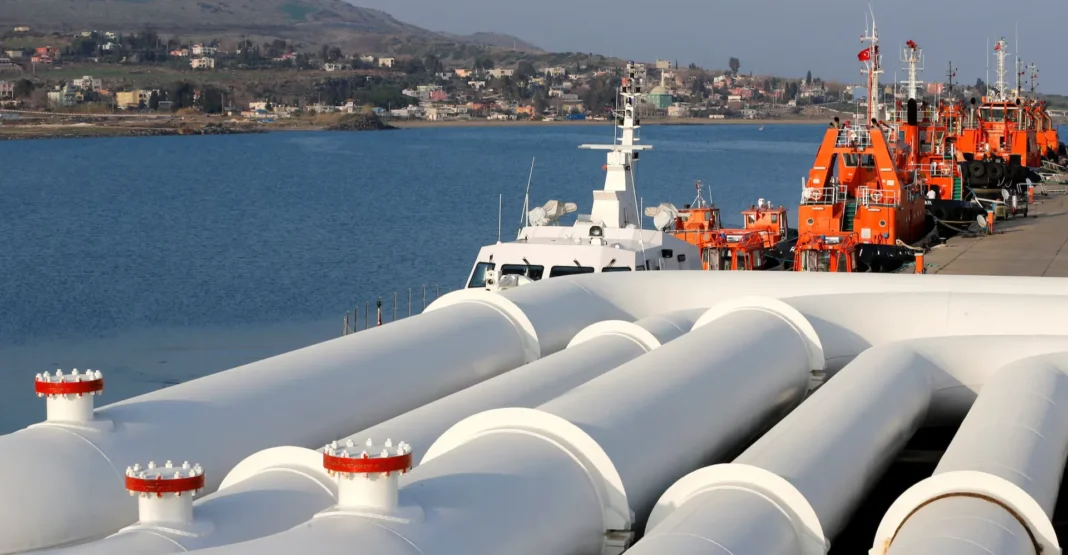
In addition, Iraq intends to diversify export routes to reduce dependence on maritime shipments through the Gulf. Officials highlighted the importance of strengthening operations in northern oil fields and increasing crude flows toward pipeline infrastructure connected to Turkey.
The government specifically identified the Ceyhan export route as a strategic priority. By transporting more crude through northern pipelines to the Turkish port of Ceyhan, Iraq hopes to maintain export flexibility and reduce pressure on southern facilities. The route could also provide an alternative outlet during periods of regional instability.
The ministry has also ordered faster development of fields managed by the Midland Oil Company. Officials will monitor project timelines closely to ensure production targets remain on track. These efforts are expected to contribute additional volumes to the national output total.
Beyond oil production, Iraq continues to prioritize natural gas development. The ministry considers gas investment essential for strengthening energy security and reducing reliance on imported fuel. New projects will focus on capturing associated gas and expanding supplies for electricity generation and industrial use.
Officials said cooperation between Iraqi specialists and international energy companies will play a crucial role in achieving these goals. The government also plans to develop new exploration blocks and expand proven reserves. Through the Iraq oil production plan, Baghdad hopes to strengthen the energy sector, attract investment, and secure long-term economic growth.