

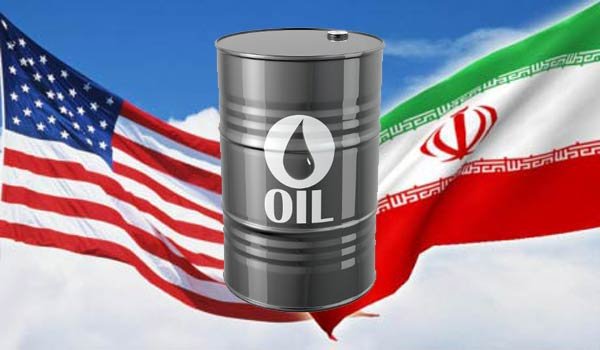
Global energy markets opened the week with renewed focus on the Iran oil exports outlook. Crude prices moved lower after diplomatic talks between the United States and Iran ended in Switzerland. Traders reacted to signs that Iranian oil could return to international markets in larger volumes. The development reduced fears of a major supply shortage and shifted market sentiment.
Brent crude prices declined on Monday after initially rising during early trading. Investors had worried about fresh tensions in the Middle East. Those concerns grew after strong statements from both Washington and Tehran. Reports about disruptions around the Strait of Hormuz also added uncertainty at the start of the session.
However, market sentiment improved once officials confirmed progress in negotiations. Representatives from both countries completed their first round of discussions in Switzerland. Mediators described the talks as a step toward maintaining a fragile ceasefire agreement. As a result, traders began to focus more on future supply growth than geopolitical risks.
Iranian officials announced several outcomes from the discussions. According to Tehran, the country secured waivers for oil and petrochemical exports. Officials also reported progress on releasing frozen financial assets. In addition, both sides discussed plans that could support reconstruction and economic development projects.
The possibility of increased Iran oil exports quickly attracted attention from energy analysts. Experts noted that Iran could add significant volumes to the global market if restrictions ease further. Some estimates suggest that as much as 1.5 million barrels per day could eventually return to international buyers. That additional supply could help balance markets while demand growth remains relatively modest.
Despite the positive developments, uncertainty still surrounds the region. Shipping activity through the Strait of Hormuz dropped sharply over the weekend. Iran announced new restrictions in the waterway and cited concerns about violations of previous agreements. The move highlighted the ongoing risks that continue to influence global energy markets.
Regional tensions also remain a concern for investors. Recent military actions in Lebanon raised questions about the durability of current ceasefire arrangements. Analysts warned that any renewed conflict could quickly affect oil transportation routes and supply chains. Consequently, markets continue to monitor political developments closely.
Even so, traders largely focused on expectations of stronger supply. Oil prices had already fallen sharply during the previous week. Market participants pointed to stranded cargoes returning to circulation and the prospect of reduced sanctions on Iranian energy exports. These factors increased confidence that supply conditions could improve in the coming months.
Iranian officials reported that millions of barrels of crude oil had already moved through regional export channels in recent days. Meanwhile, several Gulf producers have offered additional supplies to customers. Countries including the United Arab Emirates, Kuwait, and Iraq signaled their readiness to meet market demand.
Looking ahead, investors will continue watching diplomatic efforts between Washington and Tehran. The future of Iran oil exports remains one of the most important factors affecting energy prices. While risks persist, the latest talks have provided markets with a clearer path toward greater supply stability.