

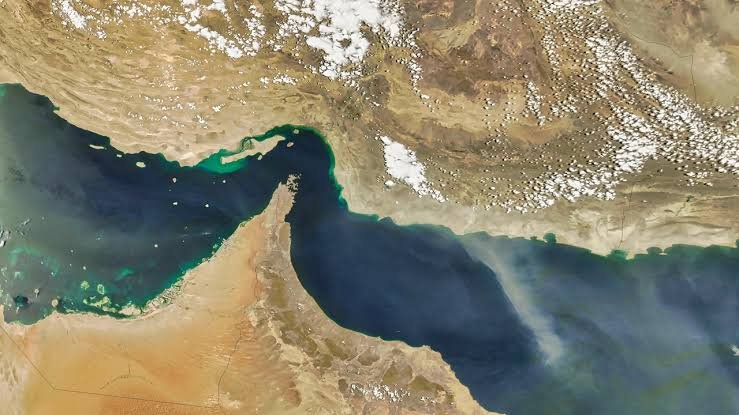
Iraq has suffered a major economic setback following the prolonged closure of the Strait of Hormuz, with analysts estimating losses of more than $37.7 billion in missed oil export revenues. The Hormuz oil export losses have placed additional pressure on Iraq’s economy, which relies heavily on crude oil sales to fund government spending and public services.
According to data released by the Eco Iraq Observatory, Iraq has been unable to export nearly 350 million barrels of crude oil since the strategic waterway closed on February 28. The organization, which monitors economic and financial indicators across Iraq, said the disruption significantly reduced the country’s access to international energy markets.
Before the shutdown, Iraq maintained strong export levels. The country shipped between 103 million and 107 million barrels of crude oil each month. These exports generated the bulk of national revenues and supported economic activity across several sectors.
However, military developments in the region led to the closure of the Strait of Hormuz, one of the world’s most important energy transit routes. As a result, Iraqi oil exports fell sharply in the following months. Analysts estimate that Iraq missed exports of about 84.39 million barrels in March alone.
The losses continued throughout the spring. Iraq failed to export approximately 93.11 million barrels in April and another 92.8 million barrels in May. During June, the country was unable to ship an estimated 79.6 million barrels of crude oil to global markets.
Taken together, these figures point to a total export shortfall of around 350 million barrels. Based on average oil prices during the period, the value of those missed shipments reached roughly $37.7 billion. The Hormuz oil export lossesrepresent one of the largest economic challenges Iraq has faced in recent years.
Official export data highlights the scale of the disruption. Iraq exported around 3.31 million barrels per day in January and 3.36 million barrels per day in February. After the closure, exports dropped dramatically. March exports averaged about 549,000 barrels per day, while April recorded only 132,000 barrels per day. In May, exports averaged just 96,000 barrels per day.
The export crisis also affected oil production. Recent figures from OPEC showed that Iraq’s crude output declined sharply during the same period. Production fell from 4.18 million barrels per day in February to approximately 1.67 million barrels per day in April.
Economists warn that continued restrictions on oil exports could create further fiscal challenges for Baghdad. Since oil revenues account for the majority of government income, prolonged disruptions may affect public spending, infrastructure projects, and economic growth. For now, the Hormuz oil export losses remain a major concern for policymakers and energy officials alike.