

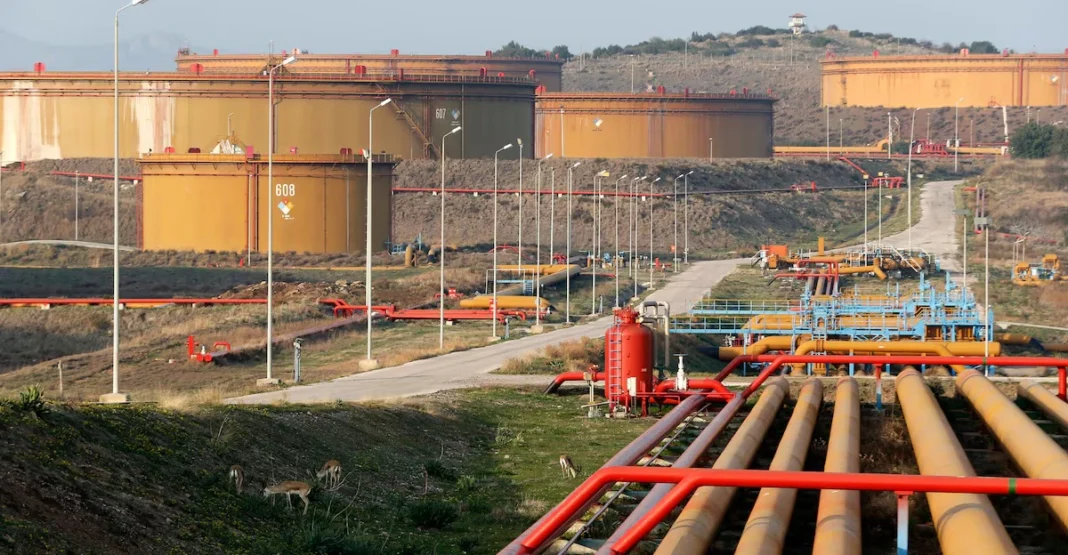
The Kirkuk-Ceyhan pipeline agreement has entered a critical stage as Iraq and Turkiye continue talks over the future of oil exports between the two countries. With the current deal set to expire in late July, officials from both sides remain engaged in negotiations. However, recent reports indicate that Ankara does not support extending the existing arrangement under its current terms. The development has raised fresh questions about the future of cross-border energy cooperation.
According to reports, Iraq requested an extension of at least one year for the current framework. Iraqi officials believe additional time could help both countries reach a comprehensive replacement agreement. Despite that request, Turkish authorities appear unwilling to prolong the existing deal without significant changes. As a result, negotiators now face growing pressure to finalize a new framework before the deadline arrives.
The current agreement has governed oil transportation through the route for decades. It has played an important role in moving crude oil from northern Iraq to international markets through Turkiye. Over the years, the pipeline became a key part of regional energy infrastructure. Because of its importance, any interruption or uncertainty attracts close attention from energy markets and government officials.
Meanwhile, discussions continue between representatives from both countries. Their goal is to establish a new arrangement that reflects current economic and operational realities. While neither side has announced a final breakthrough, officials continue to exchange proposals. The coming weeks could prove decisive as the expiration date approaches.
At the same time, Iraq has maintained strong export activity through its southern ports. Ali Nizar, the head of the State Organization for Marketing of Oil, recently stated that Iraq exported around 12 million barrels of crude oil through southern terminals since the start of June. Those exports highlight Iraq’s ability to utilize alternative routes while negotiations continue.
Energy analysts view the situation as an important test for regional cooperation. A successful agreement could provide stability for oil exports and strengthen economic ties. On the other hand, prolonged uncertainty could create challenges for producers and traders who depend on predictable export channels. For that reason, industry observers continue to monitor developments closely.
The future of the Kirkuk-Ceyhan pipeline agreement remains one of the most important issues in regional energy discussions. Both governments recognize the strategic value of maintaining an effective export corridor. As negotiations advance, officials must balance national interests with long-term economic goals. Their decisions could shape energy cooperation for years to come.
With the July 27 deadline drawing closer, attention now turns to the next round of talks. Iraq seeks additional flexibility while Turkiye pushes for new terms. Whether the two sides can bridge their differences remains unclear. What is certain is that the Kirkuk-Ceyhan pipeline agreement will remain at the center of regional energy policy in the weeks ahead.