

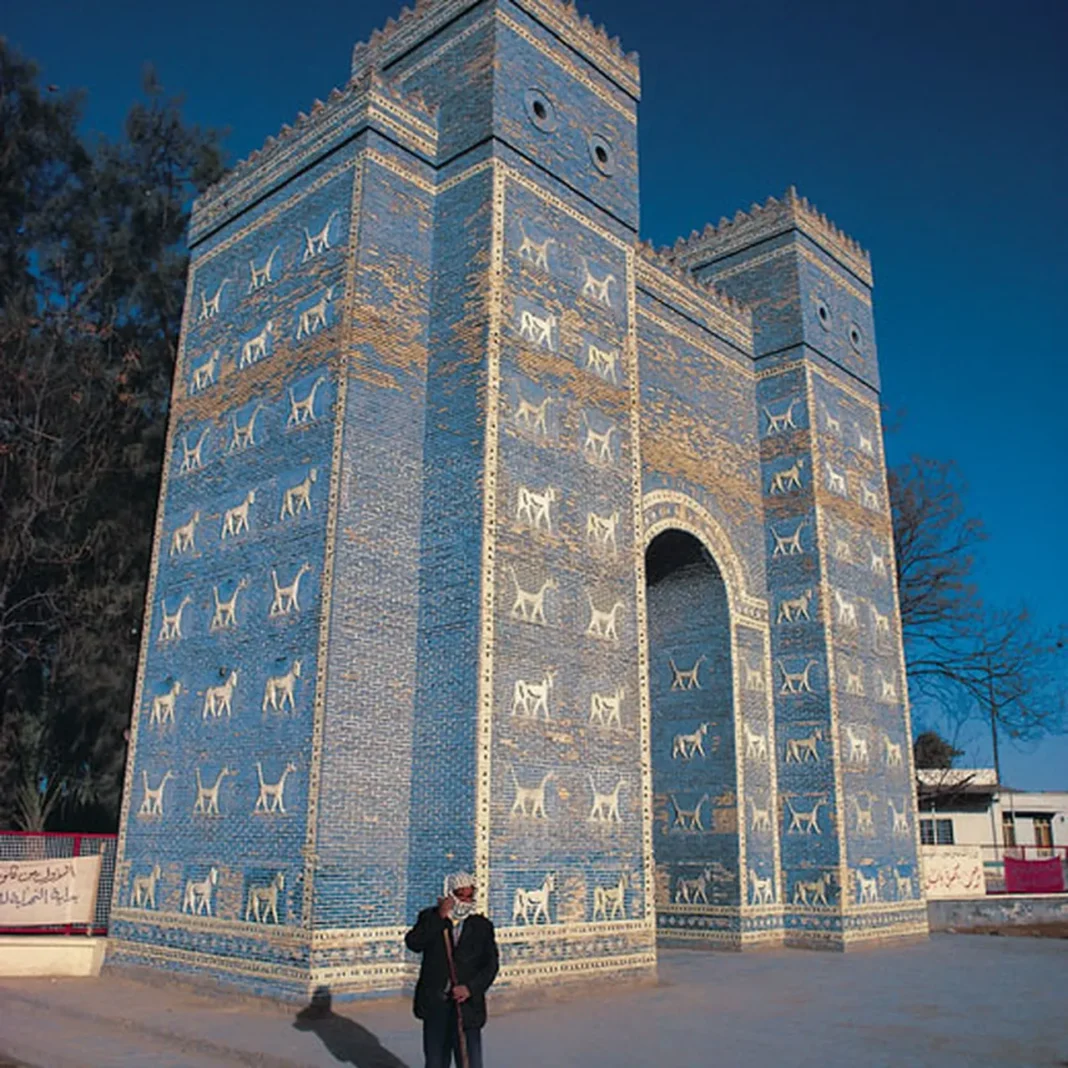
Iraq possesses one of the world’s richest historical legacies, yet it continues to attract only a small number of international archaeological tourists. The challenge highlights a broader issue facing the country. While Iraq is home to thousands of ancient sites, the Iraq archaeological tourism sector remains underdeveloped due to infrastructure gaps, economic priorities, and years of instability.
The country contains an estimated 150,000 registered archaeological locations. These sites include some of humanity’s earliest cities and civilizations. However, many remain inaccessible to international visitors. Tourism experts argue that Iraq has not invested enough in the facilities needed to transform these locations into major global destinations.
One example is the Great Ziggurat of Ur near Nasiriyah. The ancient structure ranks among the best-preserved monuments from the Sumerian civilization. It also holds religious significance as the traditional birthplace of Prophet Abraham. Despite its historical importance, the site lacks modern visitor services, quality accommodation, and sufficient tourism infrastructure.
Mohammad Ouda al-Obaidi, head of Iraq’s Tourist Guides Syndicate, believes the country’s oil wealth has reduced pressure to diversify the economy through tourism. According to him, governments have relied heavily on oil revenues for decades. As a result, many archaeological sites have received limited investment and development.
Experts argue that Iraq’s challenge extends beyond the destruction caused by wars and conflict. The larger issue involves the absence of supporting infrastructure. Successful tourism destinations require hotels, transportation networks, visitor centers, trained staff, and marketing strategies. Many of these elements remain insufficient across Iraq’s archaeological landscape.
The country also suffered significant cultural losses during recent decades. Following the 2003 invasion, thousands of artifacts disappeared from the Iraq National Museum. Later, extremist groups destroyed important heritage sites, including Nimrud and parts of Hatra. The destruction damaged not only historical treasures but also Iraq’s tourism potential.
International organizations and foreign governments have supported restoration efforts. UNESCO led major reconstruction projects in Mosul, including the restoration of historic religious landmarks. International partners have also contributed to preserving important archaeological sites and recovering cultural heritage damaged by conflict.
While restoration efforts have produced positive results, they have not fully addressed tourism infrastructure needs. Experts note that preserving monuments and attracting visitors require different investments. Rebuilding heritage sites alone does not guarantee sustainable tourism growth.
The challenge became evident following the 2021 visit of Pope Francis to Ur. The historic visit generated international attention and raised hopes for increased tourism. However, visitor numbers remained modest in the years that followed. Officials reported that only about 556 tourists from Europe and North America visited Iraq in 2024 for archaeological tourism.
At the same time, Iraq’s tourism industry has shown overall growth. Tourism revenues increased from approximately $4.6 billion in 2023 to $5.7 billion in 2024. Baghdad also gained recognition as the Arab Capital of Tourism for 2025. These achievements reflect growing visitor interest in the country.
However, most tourism revenue comes from religious travel rather than cultural tourism. Millions of pilgrims visit Iraq annually, especially during major religious events. In contrast, international visitors seeking archaeological experiences represent only a small share of total arrivals.
Security concerns continue to affect the sector as well. Travel advisories issued by several countries discourage potential visitors. Regional tensions and conflict have further complicated efforts to attract international tourists and investors.
Economic experts also point to Iraq’s dependence on oil revenues. Government spending priorities often focus on salaries and operating expenses. Investment projects receive a smaller share of public funding. This financial structure limits long-term investments in tourism infrastructure and site development.
Despite these obstacles, tourism remains part of Iraq’s long-term economic plans. The government has included tourism development within its national development strategy. Officials hope the sector can help diversify the economy and create new opportunities beyond oil.
The future of Iraq archaeological tourism depends on more than preserving ancient monuments. Success will require investments in transportation, accommodation, visitor services, and workforce development. Without these improvements, many of Iraq’s most important historical treasures may remain largely undiscovered by international travelers.
For now, the ancient cities of Mesopotamia continue to stand as symbols of one of humanity’s earliest civilizations. Yet the growth of Iraq archaeological tourism will depend on whether modern infrastructure can finally catch up with the country’s extraordinary historical wealth.