

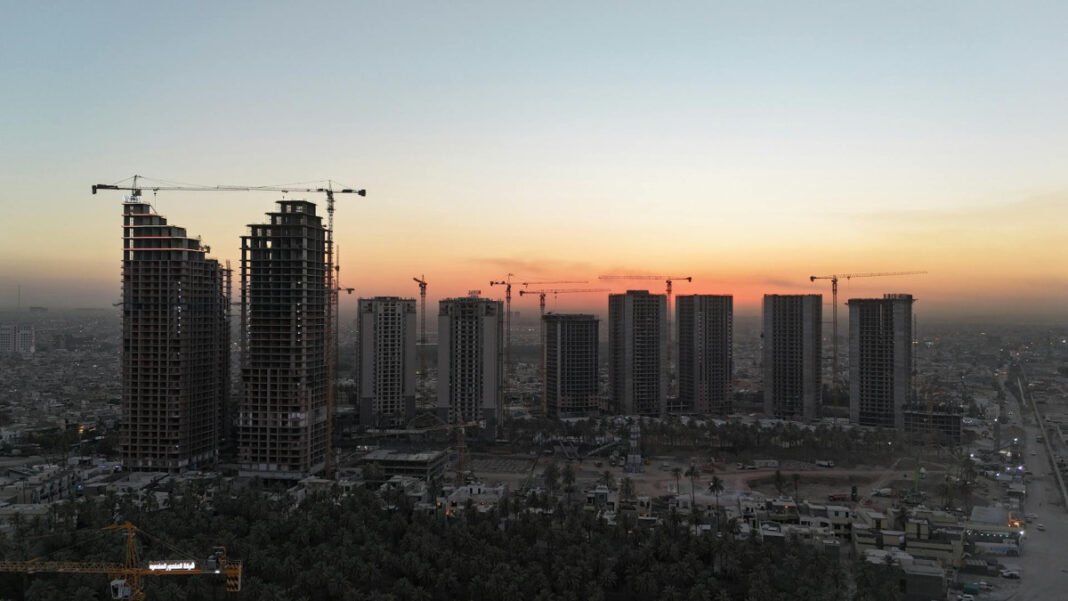
The Iraqi government is moving forward with an ambitious economic agenda that places private sector investment in Iraq at the heart of its development strategy. Officials say planned investments worth 84 trillion Iraqi dinars will help create jobs, reduce poverty, and support long-term economic growth.
The Ministry of Planning announced new measures to monitor development projects across the country through advanced digital systems and field inspections. Authorities believe these tools will improve oversight, accelerate implementation, and ensure projects remain on schedule.
According to the ministry, the investment targets fall within the National Development Plan for 2024–2028. The program seeks to modernize infrastructure, strengthen public services, and expand opportunities for businesses and investors. Government institutions, provincial administrations, and private companies are all participating in the effort.
Ministry spokesperson Abdul-Zahra Al-Hindawi said the development plan focuses on building a more diversified economy. Iraq aims to reduce its reliance on oil revenues by supporting productive sectors that can generate sustainable income and employment opportunities.
Several industries have been identified as priorities under the strategy. These include healthcare, education, agriculture, transportation, telecommunications, food security, and digital technology. Officials expect investment in these sectors to strengthen economic activity and improve services for citizens.
At the same time, the government continues to prioritize major strategic projects. The Development Road project and the Grand Faw Port remain among the country’s most significant infrastructure initiatives. Authorities view both projects as key drivers of economic transformation and regional connectivity.
The Ministry of Planning has also instructed agencies to focus on completing ongoing projects before launching large numbers of new ones. Officials believe this approach will maximize the benefits of existing investments and avoid unnecessary delays.
To strengthen oversight, the ministry introduced the Iraq Development Management System. The platform connects government institutions electronically and provides real-time information on project performance. Through this system, ministries and local authorities can track progress and identify challenges more efficiently.
In addition, technical teams conduct regular field visits to assess implementation on the ground. These teams review completion rates, address obstacles, and recommend practical solutions. The ministry also produces periodic performance reports to support government decision-making.
A major goal of the development plan involves expanding private sector investment in Iraq and attracting both domestic and foreign capital. Officials hope stronger investment activity will stimulate economic growth and create opportunities across multiple industries.
The strategy also supports small and medium-sized enterprises. Policymakers see these businesses as essential contributors to job creation and economic diversification. Efforts are underway to improve financing opportunities and strengthen the business environment.
Education reform forms another important part of the plan. The government is working with higher education institutions to align academic programs with labor market needs. Officials hope this coordination will equip graduates with skills that match employer demand.
The planned 84 trillion dinars in funding will represent around 35 percent of Iraq’s projected investment portfolio during the development period. Through increased private sector investment in Iraq, authorities aim to reduce unemployment, lower poverty rates, and build a more productive economy capable of sustaining future growth