

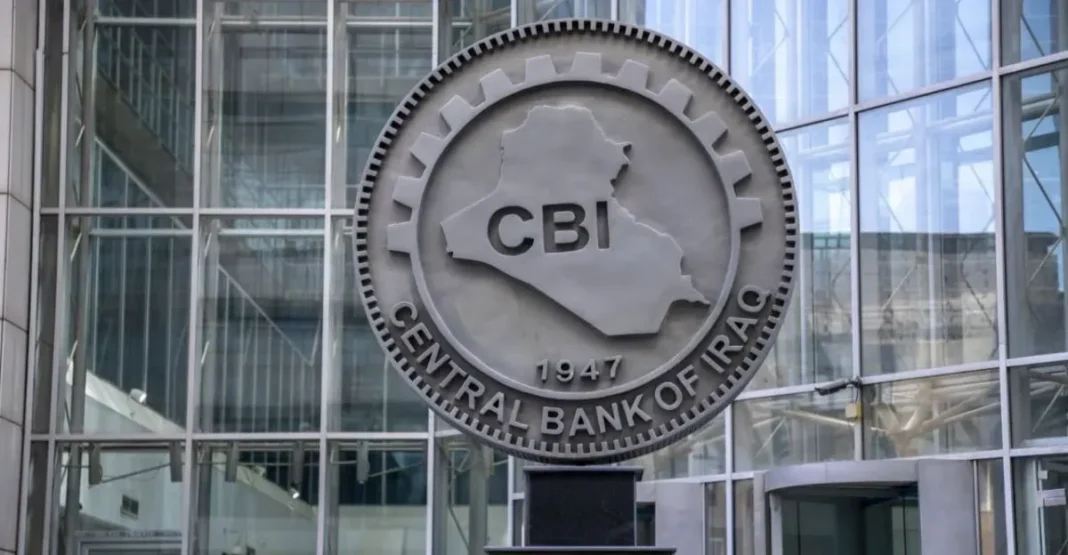
Iraq’s foreign currency reserves recorded a sharp decline during the final week of April, according to new data released by the Central Bank of Iraq. The figures highlight growing financial pressure linked to lower oil revenues and regional instability. Iraq foreign reserve decline concerns have increased as energy export challenges continue affecting the country’s economy.
Central bank indicators showed that Iraq’s net foreign assets dropped from 125.614 trillion dinars on April 23 to 123.269 trillion dinars by the end of the month. The decline reached 2.345 trillion dinars within only seven days, equal to nearly $1.8 billion based on market calculations.
The latest figures place Iraq’s foreign currency reserves at approximately $93.3 billion. Other official reserve assets also declined during the same period, settling at around 122.780 trillion dinars. Financial observers described the decrease as one of the most noticeable weekly drops in recent months.
Economic analyst Nabil al-Marsoumi linked the reserve decline directly to falling oil revenues. Iraq relies heavily on crude exports to secure foreign currency income and support state finances. Lower export volumes and regional tensions have placed additional pressure on the country’s financial position.
Iraq foreign reserve decline trends come as the country faces ongoing instability across regional energy markets. Oil Minister Basim Mohammed Khudair warned on Saturday that tensions in the Middle East continue threatening energy shipments through the Strait of Hormuz.
The strategic waterway plays a critical role in Iraq’s oil export operations. Security concerns and shipping disruptions in the region have reduced tanker movement through the strait during recent months. Lower export activity has directly affected Iraq’s oil revenues and foreign currency inflows.
Before the recent regional escalation, Iraq exported significantly larger volumes of crude oil every month. However, ongoing instability has forced several shipping companies to limit activity in the Gulf region. Rising insurance costs and security risks have also complicated export operations.
Foreign currency reserves remain one of the most important indicators of Iraq’s economic stability. The reserves help support the Iraqi dinar, finance imports, and maintain confidence in the country’s financial system. Sharp declines can create concern among investors and financial institutions monitoring Iraq’s economy.
Iraq foreign reserve decline patterns also reflect broader economic challenges linked to the country’s dependence on oil income. Oil revenues account for the majority of government funding, making Iraq highly vulnerable to market disruptions and falling export levels.
The Central Bank of Iraq continues efforts to maintain financial stability despite regional uncertainty. Officials closely monitor currency reserves and exchange rates while coordinating with government institutions on economic policy.
Analysts believe future reserve levels will largely depend on oil market conditions and regional security developments. Improved export activity could help stabilize Iraq’s financial position in the coming months. However, prolonged tensions near key shipping routes may continue affecting reserve growth and state revenues.
Despite the recent decline, Iraq still holds substantial foreign reserves compared with several countries in the region. Economists say maintaining reserve stability will remain essential as Baghdad manages economic pressures and rising financial obligations.