

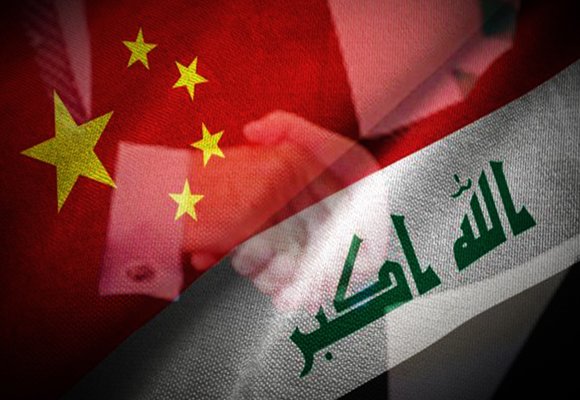
Baghdad – Iraq faces a sharp slowdown as the Iraq-China trade decline oil tech import drop trend signals weakening economic ties. Trade volumes fall significantly across the energy and technology sectors. The decline in Iraq-China trade, the drop in oil tech import drop in development reflect growing pressure on Iraq’s external economy.
Economic analyst Manar Al-Obaidi reported a major contraction in bilateral trade. He said total trade between Iraq and China dropped sharply during the recent period. Therefore, both exports and imports weakened at the same time.
First, Iraq’s oil exports to China declined heavily. Crude shipments to Chinese refineries fell sharply due to transport disruptions. As a result, energy revenue from exports decreased significantly.
Next, maritime instability in the region affected logistics. The Strait of Hormuz created delays and route changes for large tankers. Therefore, oil transport faced operational bottlenecks.
Moreover, Iraq’s imports from China also fell. Demand for industrial goods and electronics decreased. Consequently, sectors like construction and consumer technology slowed down.
In addition, infrastructure-related imports dropped sharply. Products such as steel, air conditioning units, and telecom devices saw major declines. Therefore, development projects faced supply constraints.
However, not all sectors declined. Chinese automobile imports increased despite the downturn. This shift shows changing consumer preferences toward more affordable vehicles. As a result, the auto sector remained stable.
Furthermore, Iraq’s trade surplus with China shrank significantly. Lower export earnings reduced overall economic gains. Therefore, the external trade balance weakened compared to previous levels.
At the same time, analysts link the decline to wider economic pressure. Reduced government spending and currency fluctuations affected import capacity. Consequently, domestic demand for foreign goods slowed.
In addition, energy export dependence played a central role. Iraq relies heavily on oil sales to maintain trade strength. Therefore, any disruption in oil flow directly impacts the national economy.
Meanwhile, logistics challenges continue to affect global trade routes. Shipping delays and regional tensions create uncertainty for exporters. As a result, long-term trade stability remains uncertain.
In conclusion, the Iraq-China trade decline oil tech import drop trend highlight major economic stress. The Iraq China trade decline, oil tech import drop situation shows how energy and imports both shape Iraq’s external trade performance.