

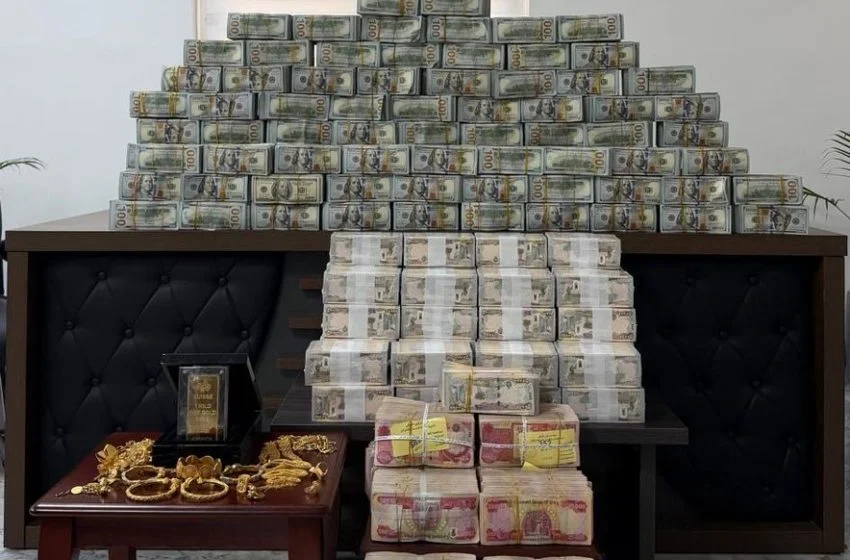
Baghdad – Iraqi judicial authorities have intensified a major anti-corruption investigation involving a former senior official from the Oil Ministry, leading to the seizure of millions of dollars in assets and dozens of properties across the country.
The expanding Oil Ministry corruption case centers on Adnan Mohammad Mahmoud, a former Deputy Minister of Oil for Refining Affairs. Investigators launched extensive legal measures after preliminary inquiries uncovered significant financial assets and real estate holdings allegedly connected to the suspect and several associates.
According to a statement from the Central Anti-Corruption Criminal Court, authorities have frozen nearly 40 properties located in Baghdad, Salah al-Din, and Erbil. The assets form part of an ongoing effort to trace wealth linked to suspected corruption activities. Officials stated that investigators continue to examine additional holdings that may have connections to the case.
The court also revealed that authorities seized around $10 million in cash during the initial stages of the investigation. In addition, judicial teams confiscated approximately 3 billion Iraqi dinars from locations associated with the suspects. Officials described the operation as one of the most significant asset recovery efforts conducted in recent months.
Beyond cash and property, investigators uncovered valuable personal assets. The seized items included roughly 1.5 kilograms of gold jewelry. Authorities documented the assets as part of evidence collection procedures designed to support the ongoing legal process.
The Oil Ministry corruption case took another turn when investigators discovered weapons stored at several locations linked to the suspects. Judicial officials reported finding a substantial quantity of light and medium weaponry during search operations. Authorities have launched separate inquiries to determine the origin and purpose of the weapons.
Meanwhile, specialized teams continue to follow financial transactions and business connections related to the investigation. Officials aim to identify any public servants, private sector intermediaries, or outside entities that may have participated in or benefited from unlawful activities. The court emphasized that the investigation remains active and could lead to further legal action.
The latest developments follow the arrest of Adnan Hamad Hammoud, also known as al-Jumaili, on May 29. Hammoud previously served as Director General of the North Refineries Company and held the position of Deputy Minister of Oil. His detention marked a major step in the government’s broader campaign against corruption.
Earlier, on May 3, Iraqi authorities removed Hammoud from his leadership role at the North Refineries Company through an executive order issued by the Prime Minister. The government subsequently appointed Qusay Khalaf as his replacement.
The Oil Ministry corruption case reflects Iraq’s continuing efforts to strengthen accountability and pursue individuals accused of misusing public resources. As investigators expand their work, authorities expect additional findings that could further reshape the scope of the case.