

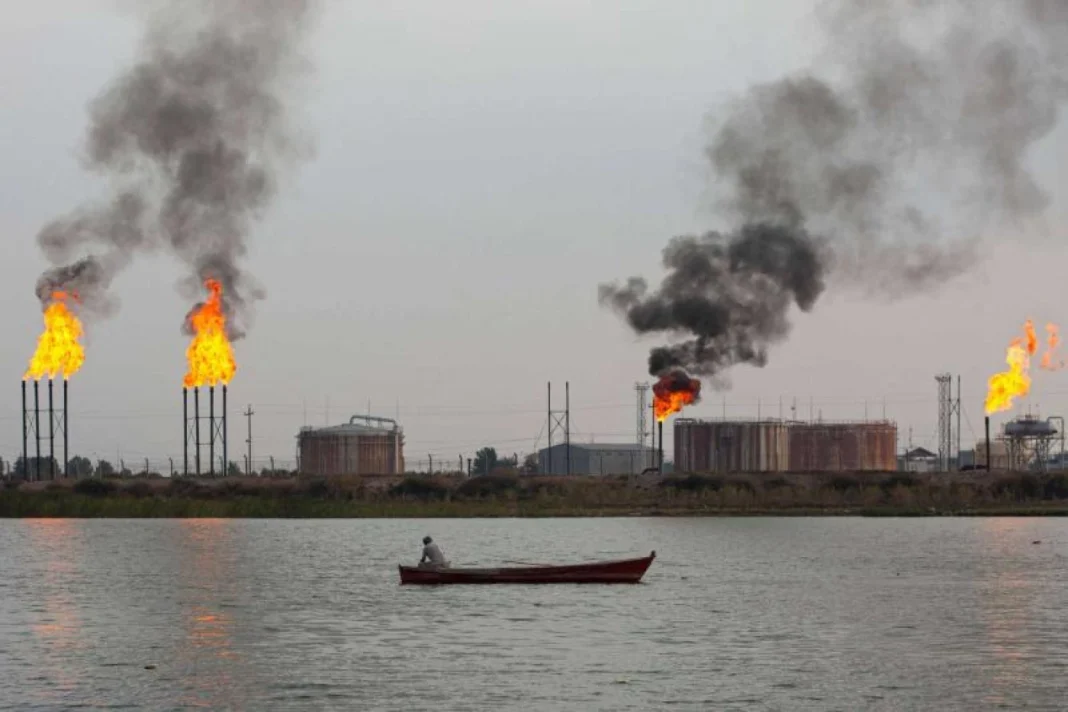
Iraq secured a strong Iraq gas reserves ranking by climbing into the world’s top tier of natural gas holders. According to global energy data, the country now stands among the top 15 countries for proven gas reserves. This place reflects Iraq’s significant energy resources and growing relevance in global markets.
Iraq gas reserves ranking shows the country holds around 124.6 trillion cubic feet of proven natural gas. This volume places Iraq near the 11th spot worldwide, ahead of several major energy producers. The natural gas data comes from the Energy Institute’s Statistical Review of World Energy for 2025, which tracks global fossil fuel resources.
At the top of the global list, Russia holds the largest share of proven gas reserves. Russia’s reserves exceed 1,300 trillion cubic feet, followed by Iran and Qatar with more than 1,100 and 800 trillion cubic feet, respectively. These countries dominate the energy landscape and shape global gas dynamics.
Following Russia, Iran, and Qatar, other major holders include Turkmenistan, the United States, and China. These nations also maintain hundreds of trillions of cubic feet, reflecting both domestic energy demand and export potential. Within this competitive field, Iraq’s rank underscores its importance as a strategic gas supplier.
Experts say Iraq’s proven natural gas reserves represent a major opportunity for future growth. Analysts believe that increased development of gas fields can improve domestic energy supply and boost export revenues. As global markets seek cleaner alternatives to oil, natural gas continues to attract strong demand.
Regional neighbors also stand in high positions. As well as, Saudi Arabia, the United Arab Emirates, and Nigeria follow other leading countries on the proven gas list. Iraq’s position ahead of several economies highlights its resource strength and untapped potential.
Locally, authorities aim to translate these reserves into economic gains. Plans include expanding natural gas production infrastructure and reducing waste from flaring. Developing gas export capacity could provide Iraq with new revenue streams and strengthen energy security.
The energy sector’s role in Iraq’s economy remains central. Most domestic electricity generation depends on natural gas, and the government continues investing to reduce dependency on imported fuels. Additional investment may also support liquefied gas exports to international markets.
Moreover, industry officials stress that higher gas output can lower electricity costs and improve industrial competitiveness. With proper investment and planning, Iraq could transform its natural gas wealth into real economic value.
However, some challenges still exist. Analysts highlight the need for stronger infrastructure and modern technology to fully exploit these reserves. Government action and foreign partnerships may accelerate development and support export goals.
Overall, the Iraq gas reserves ranking signals both promise and potential for the country’s energy sector. As global demand for natural gas grows, Iraq stands ready to play a more influential role in regional and global energy markets.