

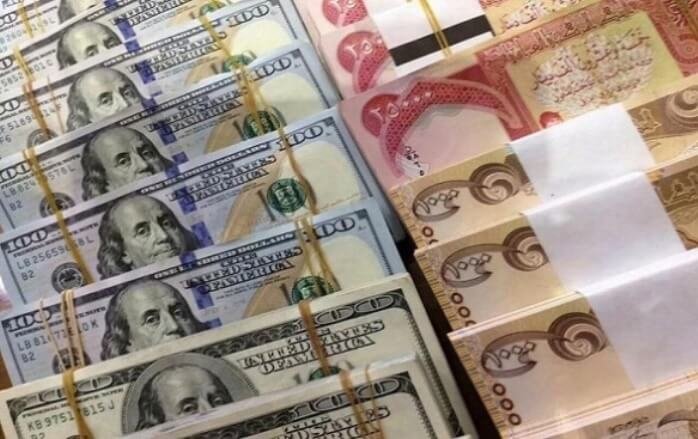
The Iraq dollar exchange rate recorded a slight decline on Wednesday morning as the US dollar weakened against the Iraqi dinar in both Baghdad and Erbil markets. Currency traders reported lower rates at major exchanges, continuing recent fluctuations in Iraq’s foreign exchange market.
According to market data, the dollar traded at around 153,500 Iraqi dinars per 100 US dollars during early trading hours. The decline reflected reduced rates at Baghdad’s main currency exchanges compared to the previous day.
At the Al-Kifah and Al-Harithiya exchanges in Baghdad, the rate reached 153,600 dinars for every 100 dollars. On Tuesday, the same exchanges recorded 153,850 dinars, showing a noticeable drop within 24 hours. Traders said the market opened with moderate activity as buyers and sellers monitored price movements closely.
Local exchange shops across Baghdad also adjusted their prices during the session. Currency dealers sold 100 US dollars for 154,000 dinars, while purchase prices stood at 153,000 dinars. These differences reflect standard trading margins used by private exchange businesses throughout the capital.
The Iraq dollar exchange rate also moved lower in the Kurdistan Region. In Erbil’s currency markets, exchange shops offered selling prices of 153,450 dinars per 100 dollars. Buying prices reached 153,350 dinars during morning transactions.
Currency fluctuations remain an important issue for Iraqi consumers and businesses. Changes in the dollar rate directly affect import costs, local market prices, and purchasing power. Many traders continue watching exchange markets carefully because Iraq relies heavily on imported goods and international transactions settled in US dollars.
Financial analysts often link short-term exchange movements to market demand, central bank policies, and regional economic conditions. Daily fluctuations also influence commercial activity, especially in sectors connected to trade and consumer products.
The Iraqi dinar has experienced repeated pressure in recent years due to regional instability, global economic challenges, and high demand for foreign currency. However, authorities continue efforts to stabilize markets through financial controls and currency management measures.
The latest decline in the Iraq dollar exchange rate may provide temporary relief for some importers and consumers if lower prices continue in the coming days. Still, traders expect markets to remain sensitive to political and economic developments inside Iraq and across the wider region.
Observers believe currency stability will remain closely tied to Iraq’s broader economic performance, oil revenues, and monetary policy decisions in the months ahead.