

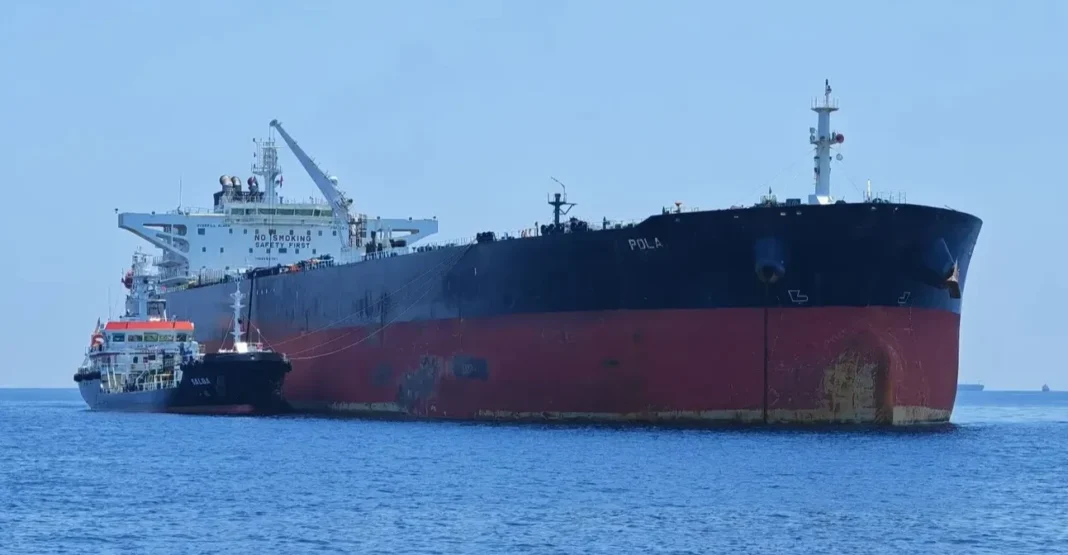
The movement of Iraqi crude exports through the Strait of Hormuz gained attention again after two Chinese supertankers successfully crossed the strategic waterway carrying nearly 4 million barrels of oil. Shipping data released on Wednesday showed the vessels departing the Gulf after remaining in the region for more than two months.
Tracking companies LSEG and Kpler confirmed the passage of the tankers through the Strait of Hormuz. The vessels represented some of the few oil carriers to leave the corridor during May, highlighting the continued disruption affecting regional energy transportation.
The Strait of Hormuz remains one of the world’s most important maritime routes for oil exports. A significant portion of global energy supplies passes through the narrow waterway connecting the Gulf to international markets. Iraq depends heavily on the route because nearly 95 percent of its crude exports travel through the corridor.
Regional tensions sharply affected shipping activity in recent months. The maritime route has faced major restrictions since late February following the conflict involving the United States, israel, and Iran. Security concerns forced several Gulf producers to reduce exports and delay shipments as instability increased across the region.
The recent tanker movement signals a possible improvement for Iraqi crude exports, although uncertainty still surrounds regional shipping operations. Energy markets continue monitoring the situation closely because any disruption in Hormuz can influence global oil prices and supply chains.
According to reports, Iraq secured continued access to the waterway after Iranian authorities granted Baghdad a special exemption from restrictions imposed on the Strait. Tehran reportedly described Iraq as a “brotherly” country and separated it from states considered hostile during the ongoing tensions.
This exemption allowed Iraqi shipments to continue moving despite broader limitations affecting maritime traffic. Analysts say the arrangement helped Baghdad protect part of its export operations during a difficult period for regional trade and energy transport.
The two Chinese supertankers carried approximately 4 million barrels of Iraqi crude combined. Their successful transit may encourage additional shipments if security conditions remain stable in the coming weeks. However, shipping companies and oil traders still face risks linked to military tensions and unpredictable regional developments.
Iraq relies heavily on oil revenue to support its economy and government spending. Any prolonged interruption to Iraqi crude exports could create financial pressure and reduce export earnings. Officials therefore continue monitoring maritime conditions while working to maintain stable export flows.
Global energy observers expect the Strait of Hormuz to remain under close international attention. The waterway’s importance to Gulf oil producers means future developments could affect both regional economies and international energy markets.