

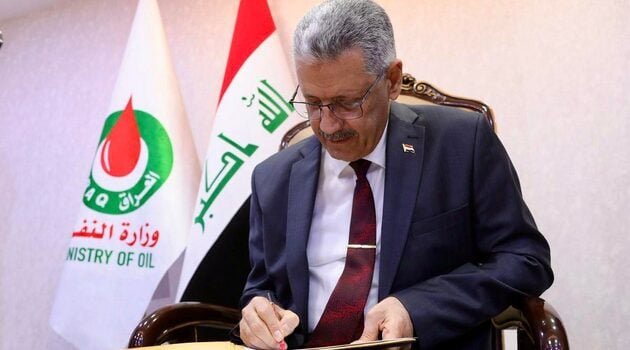
Iraq confirmed the allocation of 18,000 residential plots for employees working in state-owned oil companies. The announcement came from Deputy Prime Minister for Energy Affairs and Oil Minister Hayan Abdul Ghani. Iraq housing plots for oil employees aim to support stability and improve living conditions.
Half of these residential plots will go to staff of the Basra Oil Company.Other oil companies will divide the remaining half. The share will depend on the size of their workforce. This fair division will give employees across the sector access to housing opportunities.
The Ministry of Oil worked closely with the Basra Governor’s Office, parliament members, and local authorities. Together, they secured approvals from more than 15 ministries. This cooperation made sure the land titles could be issued without delay. Iraq housing plots for oil employees are part of this broad collaboration.
In addition, the government approved another 40,000 residential plots. These plots are located on reclaimed land, known locally as “sabkha,” in Basra. They will be handed over once all legal procedures finish. This extra housing plan will further expand access for oil workers in the region.
Minister Abdul Ghani also stressed the importance of housing for social stability. He said the government remains committed to providing homes for all oil sector employees. Strong housing programs support workers’ quality of life and encourage long-term economic balance.
The oil industry plays a central role in Iraq’s economy. By offering land plots to employees, the government strengthens loyalty within the sector. It also helps families find stable housing, which supports local communities and reduces pressure on urban centers.
This step highlights the country’s strategy of linking economic benefits with social development. When oil workers feel secure, they contribute more to productivity. At the same time, expanded housing reduces shortages and creates new construction activity.
In conclusion, Iraq housing plots for oil employees represent more than land distribution. They symbolize government care for workers, social stability, and a stronger economy.