

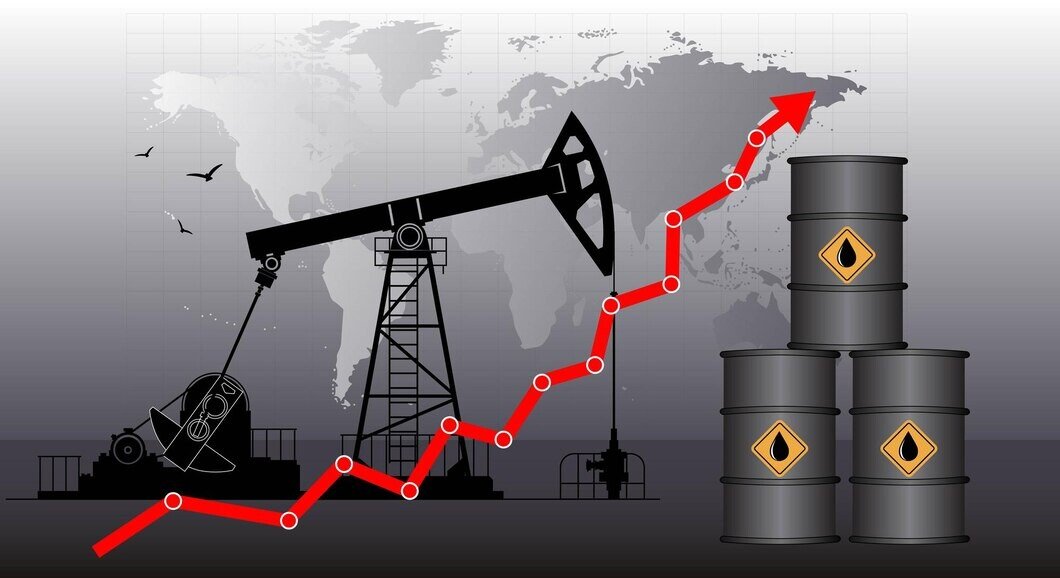
Iraq oil prices rise amid nuclear talk concerns, reflecting broader trends in global energy markets. Basrah Heavy and Basrah Medium both recorded steady gains.
Basrah Heavy crude climbed by 54 cents, bringing its price to $61.03 per barrel. At the same time, Basrah Medium matched the increase and settled at $64.18 per barrel. These increases followed gains in the international oil market.
Brent crude also advanced and reached $65.66 per barrel. Additionally, U.S. West Texas Intermediate (WTI) went up by 16 cents to $62.85. These movements reflect renewed fears about Iran’s stalled nuclear negotiations with the United States.
Because of the uncertain future of those talks, traders expect tighter oil supply. This expectation often leads to higher prices across the board. Investors reacted quickly to the news, shifting their focus to more secure oil sources.
Furthermore, analysts say the delay in talks may push Iran’s oil exports further into the future. That scenario would reduce global supply and increase demand for oil from other countries, including Iraq.
Iraq, one of OPEC’s top producers, benefits when oil prices rise. Higher crude prices mean more revenue for the state. This revenue supports vital services and government spending.
However, the rise in Iraq oil prices also brings risks. Fuel and transport costs may rise, affecting daily life. Moreover, local markets could face inflationary pressure if the trend continues.
Still, Iraqi oil officials welcomed the increase. They believe the higher price levels can strengthen the country’s financial position. They also noted that strong demand, paired with export discipline, helps stabilize national income.
At the same time, energy observers urged Iraq to plan for price volatility. Prices may shift again depending on geopolitical developments. A long-term energy policy remains essential.
Additionally, Iraq must continue developing its infrastructure to handle global shifts. Investing in production, transport, and export terminals will ensure competitiveness.
As Iraq oil prices rise amid nuclear talk concerns, the country faces both opportunity and responsibility. Continued strategy and planning will help Iraq make the most of these changes.