

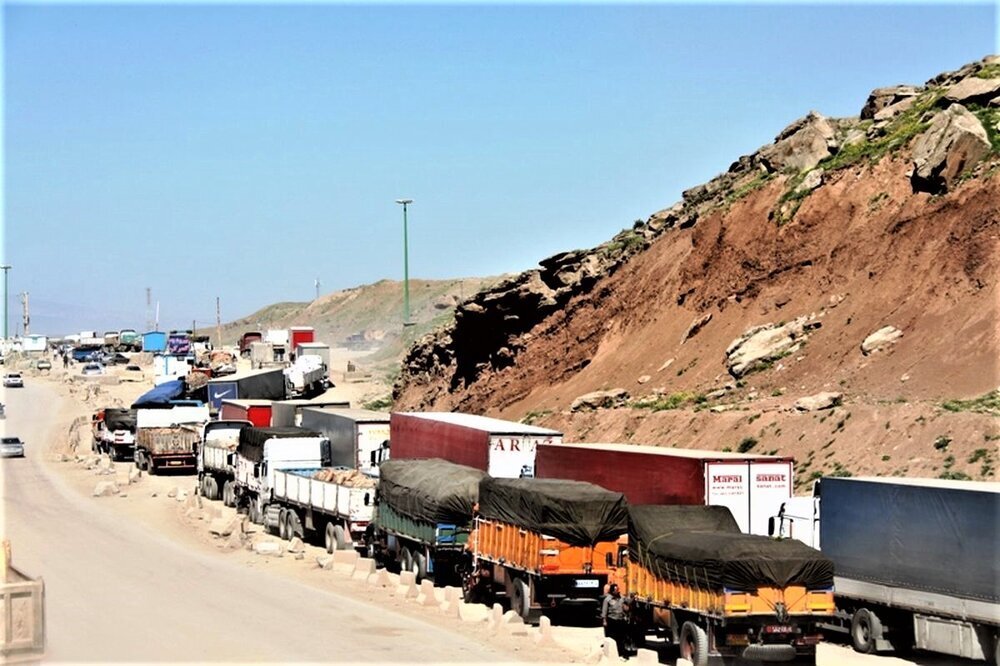
Border trade expansion is gaining momentum as Iran and Iraq pursue new projects to strengthen economic ties. Officials from both countries are focusing on agriculture, tourism, and cross-border commerce. The latest discussions centered on Iran’s Ilam province and its links with neighboring Iraqi areas.
Iranian authorities in Ilam have completed permits for several agricultural initiatives near the Iraqi frontier. The plans include roughly 4,000 hectares designated for date-palm cultivation. Officials see the projects as a way to increase investment and create new commercial opportunities in border communities.
Ilam Governor Ahmad Karami discussed the plans with Iraqi Consul General Saadoun Al-Saadi. Karami presented the province as an important entry point for stronger economic relations with Iraq. He highlighted Ilam’s border position, agricultural capacity, historic attractions, and tourism potential.
The officials also examined ways to expand commercial activity through the Ilam-Maysan border crossing. Karami said better cooperation could help increase trade between communities on both sides. He also urged greater promotion of historical and cultural attractions to encourage tourism.
Language and cultural differences remain challenges for businesses operating across the border. Iranian officials said closer communication could help reduce those obstacles. Better coordination could also make it easier for companies and visitors to operate in both markets.
Al-Saadi emphasized the potential of stronger economic and tourism cooperation between Baghdad and Tehran. He said Iraqi consumers could provide a strong market for quality Iranian products. He also pointed to the Ilam border as a potential route for expanding trade with several Iraqi provinces.
Maysan could gain particular benefits from increased activity around the crossing. More border commerce could support businesses, transport services, and tourism operators. It could also create new opportunities for communities located near major trade routes.
Ilam shares about 425 kilometers of border with Iraq in western Iran. The province also has a significant Feyli Kurdish population, giving it strong social and cultural links with Iraq. The Mehran crossing remains one of the major land routes connecting the two countries.
Tourism figures also point to growing cross-border movement. Iraqi visitors to Ilam reportedly increased by 75% over the past year. By May, about 8,000 Iraqi tourists had officially registered at hotels and tourism facilities across the province.
The latest initiatives follow broader efforts to deepen cooperation between Iran and Iraq. In July, the two countries signed four agreements and memoranda during Iraqi Prime Minister Ali Al-Zaidi’s visit to Tehran. Those deals covered transport, infrastructure, municipal affairs, and public administration.
Together, these developments could give border trade expansion a broader role in the region’s economic plans. Agriculture could strengthen production, while tourism could increase visitor flows. Meanwhile, improved crossings could help businesses reach new customers and suppliers.
Officials now face the task of turning these plans into measurable results. Investment, efficient border procedures, and stronger communication will remain important. If those elements advance together, border trade expansion could reshape economic activity along parts of the Iran-Iraq frontier.