

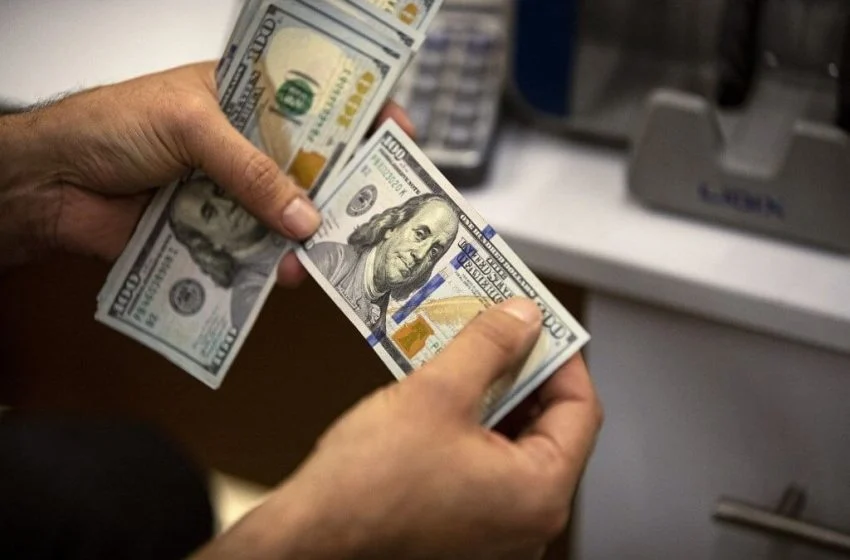
The U.S. dollar remained near a two-week peak on Monday as markets increased rate-hike expectations. Fresh comments from Federal Reserve Chair Kevin Warsh strengthened views that policymakers could tighten monetary policy again. The yen, meanwhile, weakened beyond the closely watched 160-per-dollar threshold.
Warsh said the Federal Reserve would still have work to do if officials lacked confidence in falling inflation. He emphasized the central bank’s 2% inflation target during remarks on Friday. His comments provided the clearest signal yet that another rate increase could remain under consideration.
Markets responded quickly to the shift in expectations. Traders lifted the implied probability of a September rate hike to 57%. The yield on two-year U.S. Treasury notes also climbed to 4.33%, reaching its highest level in more than a month.
OCBC FX strategist Sim Moh Siong said Warsh’s comments helped remove an important obstacle for the dollar. He said the remarks redirected investor attention toward U.S. economic fundamentals. The comments also helped ease concerns about currency depreciation and supported confidence in Federal Reserve policy.
Attention now turns to upcoming U.S. economic data. Investors will closely watch Friday’s nonfarm payrolls report for signs of labor-market strength. Next week’s consumer inflation figures could prove equally important before the Federal Reserve’s September meeting.
The euro gained 0.1% to $1.1591, while sterling remained almost unchanged at $1.3539. Both currencies remain positioned for their second monthly gains. Despite Monday’s modest movements, the broader dollar trend remains mixed.
The dollar index slipped slightly to 99.6 after rising 0.6% on Friday. That jump pushed the index to its strongest level since August 17. However, the index still appeared headed for a second straight monthly decline.
Oil prices also provided additional support for the U.S. currency on Monday. Brent crude climbed almost 2% following reported U.S. strikes on Iran’s Larak Island. The development marked the first known American attack on Iranian territory since late July.
Meanwhile, investors are watching the yen closely. The Japanese currency fell to around 160.01 per dollar after breaking below the key threshold. The move has revived speculation about possible intervention from Japanese authorities.
Markets will also monitor the G20 meeting of finance ministers and central bank governors. The two-day gathering begins Monday under U.S. hosting. Investors are looking for signals on Iran-related economic measures, U.S. debt concerns, and rising bond yields.
U.S. Treasury Secretary Scott Bessent said recent yen movements appeared contained. He also expressed confidence that Bank of Japan Governor Kazuo Ueda would make appropriate monetary-policy decisions. Analysts, however, continue to see structural pressure weighing on the Japanese currency.
UBP senior economist Carlos Casanova said intervention works best when market fundamentals support the currency. The yen still faces a large interest-rate gap between Japan and the United States. Negative real rates and cautious Bank of Japan policy continue to add pressure.
The New Zealand dollar remained around $0.5916, while the Australian dollar gained 0.1% to $0.7163. Currency markets now await fresh U.S. data for stronger clues about the Federal Reserve’s next move. Dollar gains could continue if inflation remains elevated and rate expectations strengthen further.