

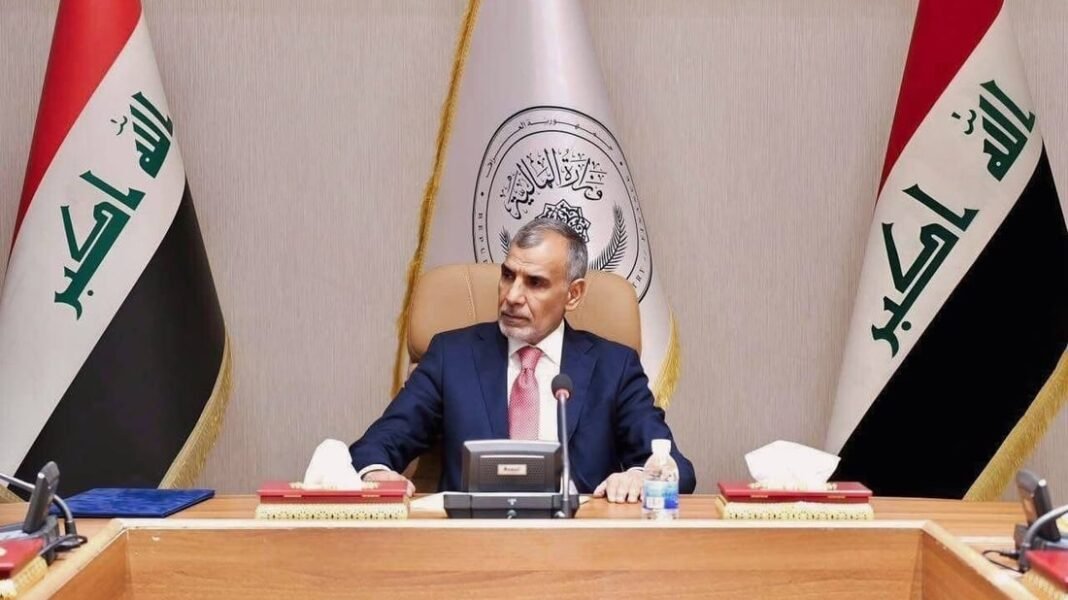
Iraq’s financial crisis is set to take center stage in parliament as lawmakers prepare to question Finance Minister Faleh Al-Sari. The minister has asked to address lawmakers about the growing fiscal pressures facing the country. He is expected to outline the government’s assessment and present possible measures to ease the strain.
First Deputy Speaker Adnan Fayhan said parliament would place the minister’s request on the agenda of an upcoming session. Lawmakers expect to determine the hearing date within the next few days. The session could provide a clearer picture of Iraq’s finances and the government’s immediate priorities.
The financial crisis has already affected regular payments to large sections of the population. Al-Sari recently warned that a funding gap had disrupted payments for public employees, pensioners, and social welfare beneficiaries. The government faces monthly salary obligations estimated at around 7.8 trillion Iraqi dinars, according to statements cited by Shafaq News.
Iraq’s financial crisis also raises concerns about the government’s ability to maintain stable public spending. Salaries and pensions represent major recurring obligations within the national budget. Any prolonged funding shortage could increase pressure on government finances and complicate efforts to meet essential commitments.
Parliament will also consider a borrowing bill during the upcoming session. Fayhan said lawmakers would place the legislation on the agenda for its first reading. The measure could become an important part of discussions about how the government intends to cover immediate financial needs.
The borrowing proposal may face close scrutiny from lawmakers as they examine Iraq’s wider fiscal position. Parliament will likely seek details about the size of the funding gap and its causes. Deputies may also ask how additional borrowing could affect future budgets and public debt.
The finance minister’s appearance could therefore become an important test for the government’s economic strategy. Lawmakers are expected to seek specific answers rather than broad assurances. They may also demand clearer timelines for restoring disrupted payments and protecting essential government programs.
For ordinary Iraqis, the financial crisis has direct consequences because millions depend on state payments. Delays can affect household budgets, purchasing power, and confidence in public institutions. The government will face pressure to reassure citizens while presenting a credible path toward financial stability.
The parliamentary hearing could also open a broader debate about Iraq’s dependence on public spending. Policymakers may need to examine revenue sources, expenditure levels, and long-term economic reforms. Such discussions could shape the government’s response if financial pressures continue.
As parliament prepares to hear the finance minister, attention will focus on the government’s proposed solutions. Lawmakers will have an opportunity to challenge current policies and demand greater transparency. The outcome could influence Iraq’s approach to borrowing, spending, and public payments in the months ahead.