

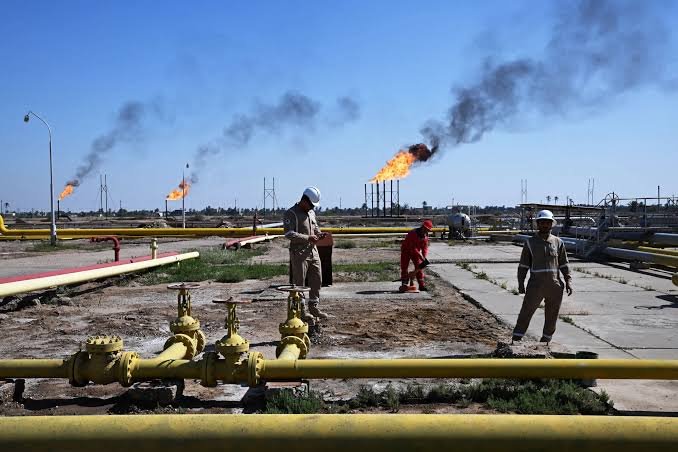
Chinese refiners are turning to Iraqi crude as disruptions reshape Gulf oil trade. Iraqi crude supplies have gained attention after traders reported major purchases for prompt delivery. The deals include about 8 million barrels of Basrah Heavy and Basrah Medium.
Oil continues moving through the Strait of Hormuz despite the Iranian blockade. However, traffic has fallen sharply from previous levels. MarineTraffic recorded 95 vessel crossings during the week ending August 17. That figure compares with 118 crossings during the previous week.
Some tanker operators have tried to bypass tracking restrictions. They have switched off transponders to avoid detection by maritime monitoring systems. Still, those measures have not restored regional oil flows to earlier levels. The disruption continues to complicate crude deliveries across Asia.
Saudi Arabia faces additional obstacles along alternative export routes. The country has redirected some crude away from Hormuz toward the Red Sea. Riyadh then moved shipments from Yanbu toward Egypt after attacks by Yemen’s Houthi movement.
Those attacks have targeted tankers and energy infrastructure linked to regional exports. Saudi exporters now face a difficult route through the Suez Canal. That corridor offers significantly less tanker capacity than the Bab el-Mandeb passage.
Iraq has managed to increase exports through Hormuz compared with earlier months. The country’s state oil marketer says exports reached about 2 million barrels per day this month. That volume gives Chinese buyers another source as Gulf supply chains face delays.
For Chinese refiners, Iraqi crude supplies could help offset slower arrivals from Saudi Arabia. Longer voyages through the Red Sea can delay cargoes reaching Chinese ports. Iraqi barrels may therefore become more attractive for refiners seeking prompt replacement supplies.
Chinese companies have also turned to crude from the United Arab Emirates. Major buyers including Sinopec, PetroChina, and Sinochem participated in a spot tender in late July. They purchased around 2 million barrels of Upper Zakum crude.
ADNOC offered 12 million barrels through that tender. The purchases highlight how Asian refiners are adjusting their sourcing strategies. Buyers increasingly need flexible options as traditional shipping routes become less reliable.
The latest Iraqi purchases also show how quickly regional disruptions can reshape crude trade. Chinese refiners can respond by securing nearby or alternative Gulf barrels. Iraqi crude supplies could remain important if shipping risks continue affecting Saudi and other regional exports.
For now, the market is adapting to longer routes and tighter logistical constraints. Refiners must balance crude availability against transportation risks and delivery schedules. Iraq’s export performance could give Chinese buyers another important buffer during the disruption.