

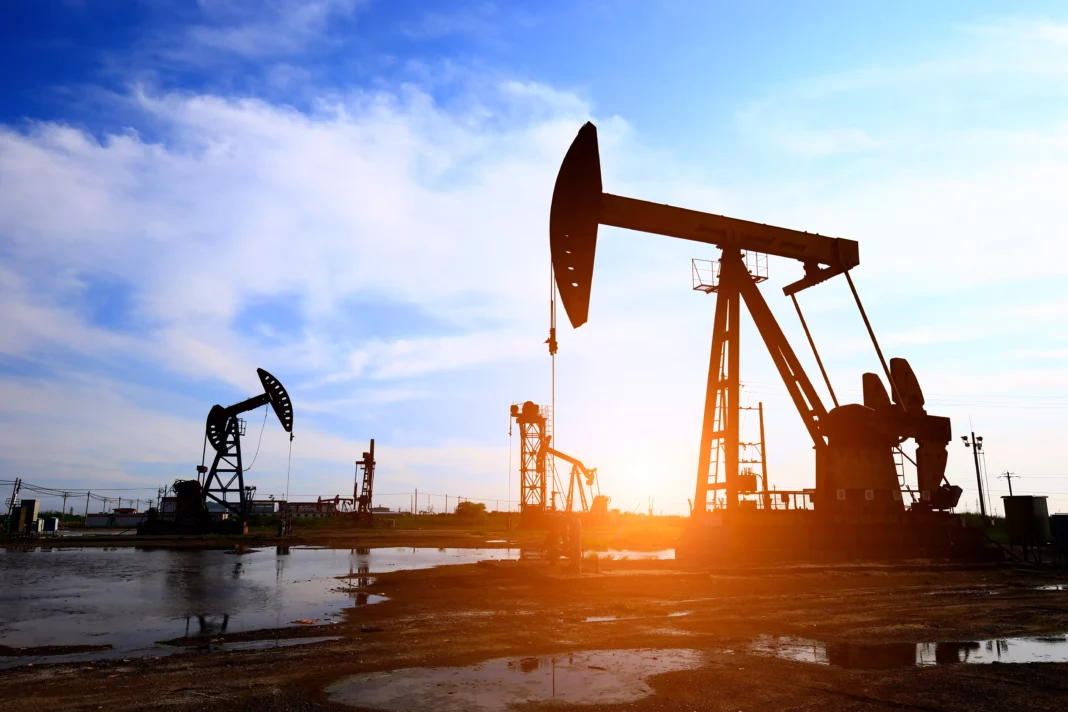
Oil market stability continues as prices remain steady despite ongoing geopolitical tensions and disrupted supply routes. Traders react cautiously to mixed signals from peace talks. As a result, crude prices avoid sharp movements. Therefore, investors monitor regional developments closely.
First, Brent Crude rose slightly to $95.02 per barrel. In addition, West Texas Intermediate increased to $91.73 per barrel. These small gains reflect balanced market pressure. Oil market stability continues as traders weigh supply risks.
Moreover, uncertainty around U.S.-Iran negotiations keeps markets volatile. Investors remain doubtful about long-term peace progress. Consequently, expectations of sustained disruption remain high. At the same time, analysts predict continued price swings within a wide range.
Furthermore, the Strait of Hormuz remains a critical pressure point. This route carries nearly 20% of global oil and LNG flows. Because of this, any disruption impacts global supply immediately. Oil market stability continues under this fragile balance.
In addition, reports estimate that around 13 million barrels per day remain affected by routing changes and blockages. Pipeline diversions only partially offset these losses. Therefore, global supply chains stay tight. Market analysts warn that tighter physical supply could increase pressure over time.
At the same time, U.S. crude inventories declined along with gasoline and distillate stocks. Exports increased to meet global demand. As a result, supply conditions tightened further. Oil market stability continues despite shrinking inventories.
Moreover, experts suggest that prices may continue fluctuating between $80 and $100 per barrel. This range reflects uncertainty in both diplomacy and supply flows. In addition, any breakdown in talks could push prices higher quickly.
Furthermore, international mediation efforts continue across several countries. Negotiators attempt to restore stability and prevent further escalation. However, no final agreement has emerged yet.
Previously, oil markets reacted strongly to every development in the conflict. However, current trading shows more cautious sentiment. Therefore, investors now focus on long-term supply risks rather than short-term headlines.
In conclusion, oil prices remain stable but vulnerable. Market balance depends heavily on political progress and shipping security.