

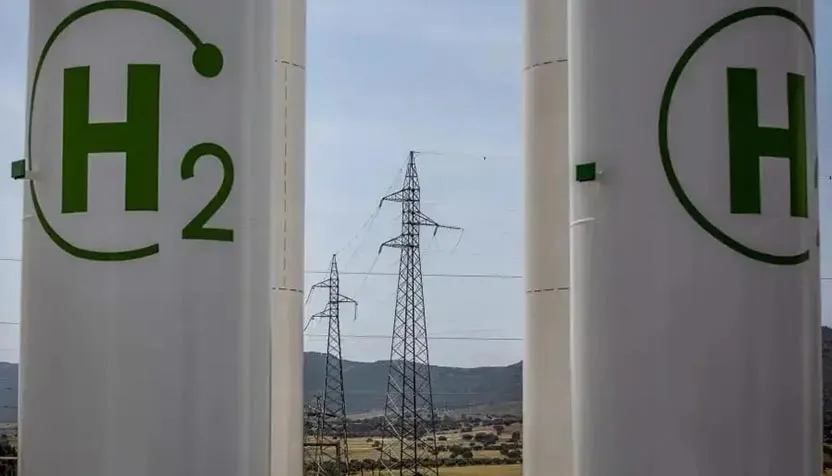
Iraq’s power grid underground plan and green hydrogen push signal a major shift in energy policy. Moreover, the Iraqi Ministry of Electricity confirmed new steps in infrastructure reform. Officials aim to modernize the national grid and improve efficiency.
Furthermore, Iraq’s power grid underground plan and green hydrogen push focus on replacing overhead lines. Authorities plan to move cables underground across key areas. This transition will reduce technical losses and improve reliability. In addition, it will limit illegal connections that affect supply stability.
The ministry spokesperson, Ahmed Moussa, outlined operational goals. He stressed the need for better control over electricity consumption. Therefore, underground systems will help monitor and manage usage more effectively.
However, the Iraq power grid underground plan and green hydrogen push face financial challenges. The project requires strong funding support. Delays in budget approval continue to slow progress. In addition, limited financial liquidity prevents immediate implementation. As a result, authorities cannot launch large-scale construction yet.
Meanwhile, the government explores clean energy solutions. Officials are reviewing international proposals for Green hydrogen. This technology uses renewable energy to split water into hydrogen and oxygen. Consequently, it provides a clean fuel source for electricity generation.
Moreover, this move aligns with a broader energy diversification strategy. Iraq aims to expand solar and wind power projects. It also plans to adopt combined cycle systems to improve gas plant efficiency. Therefore, the country seeks a balanced energy mix.
In addition, the electricity sector continues to face pressure. Gas shortages remain a major concern. Both domestic supply and imports remain inconsistent. Regional instability has worsened the situation. As a result, several development projects have slowed down.
Financial constraints also add to the challenge. A funding gap of about 9.5 billion dollars affects implementation. Therefore, authorities must secure resources to move forward. Without funding, progress will remain limited.
Despite these issues, the plan offers long-term benefits. Underground grids can reduce outages and improve service quality. Green hydrogen can support cleaner and more sustainable energy production. Consequently, Iraq may strengthen its energy security.
In conclusion, the Iraq power grid underground plan and green hydrogen push represent a strategic transformation. While challenges persist, the initiative sets a path toward modernization and sustainability.