

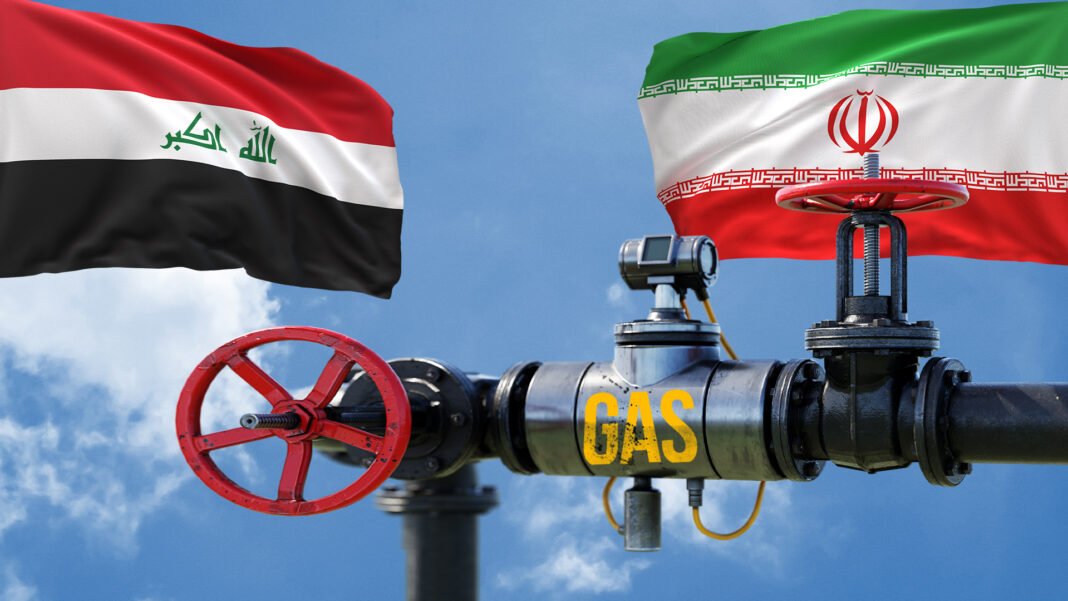
Iraq’s gas supply drops to 15m cubic meters daily, raising serious concerns for electricity production. Moreover, officials warn that current imports do not meet national demand. The Iraqi Electricity Ministry confirmed the decline in supplies from Iran.
Furthermore, Iraq’s gas supply drops to 15m cubic meters daily after previous higher levels. Supplies had reached about 20 million cubic meters per day. However, the current level stands far below requirements. Power plants need around 50 million cubic meters daily. Therefore, the gap between supply and demand remains significant.
In addition, the Iraq gas supply drops to 15m cubic meters daily at a critical time. Authorities prepare for peak summer demand and rising consumption. However, reduced gas flow limits electricity generation. As a result, power plants cannot operate at full capacity.
Earlier figures show even sharper declines. Imports fell to nearly 5 million cubic meters per day during one period. Previously, supplies reached around 19 million cubic meters. This sharp drop highlights ongoing instability in energy flows. Consequently, electricity output remains vulnerable to disruptions.
Moreover, regional tensions continue to affect supply stability. Strikes linked to the South Pars gas field disrupted infrastructure. These events forced a temporary halt in gas deliveries. As a result, more than 3,000 megawatts dropped from Iraq’s power grid. This sudden loss created immediate pressure on the system.
Later, partial flows resumed and improved conditions slightly. Electricity production reached around 14,000 megawatts after recovery. However, this level still falls short of national needs. Therefore, the system continues to face stress.
In addition, Iraq struggles with long-term energy challenges. Despite large oil reserves, the country depends on imported gas. During summer, demand can exceed 50,000 to 55,000 megawatts. Meanwhile, current production ranges between 27,000 and 28,000 megawatts. This gap creates frequent shortages and outages.
Experts stress the need for urgent solutions. Iraq must diversify energy sources and increase domestic gas production. It should also improve infrastructure and reduce reliance on imports. These steps can strengthen energy security and ensure a stable electricity supply.
In conclusion, the Iraq gas supply drops to 15m cubic meters daily and exposes deep structural issues. Without rapid action, electricity shortages may worsen during high-demand periods.