

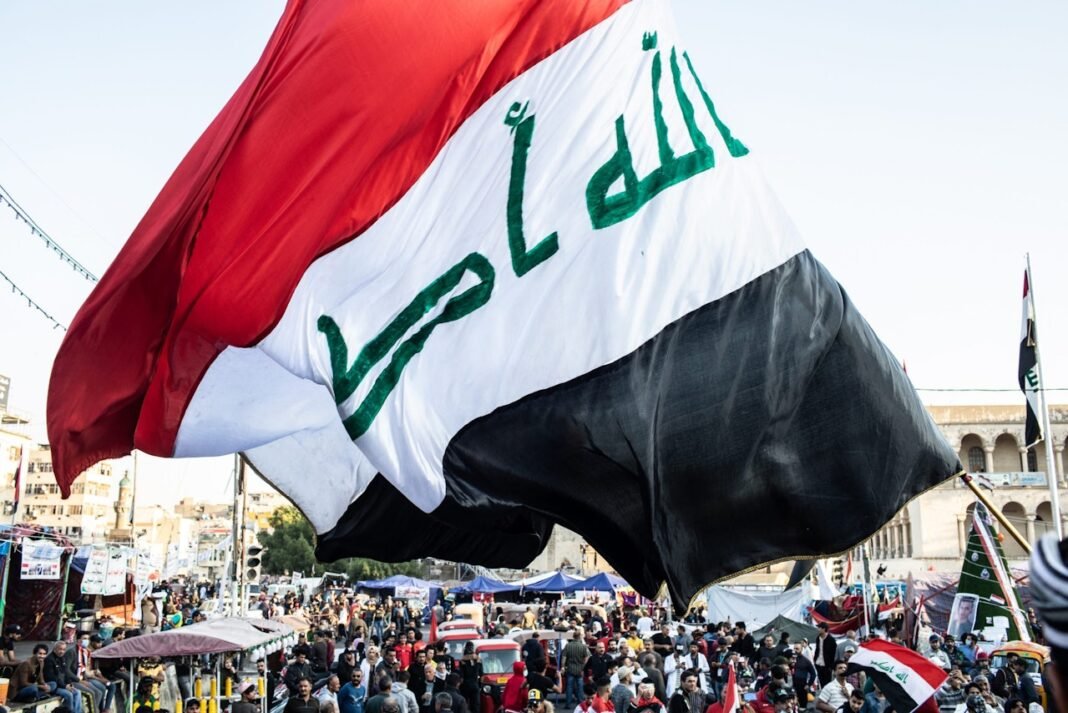
The Iraq provincial political crisis is creating deep tensions. Instead of solving problems, the recent local elections have made things worse. Iraq held provincial elections for the first time in ten years. Many hoped this would fix local government issues. However, it has led to more political fighting.
The Shiite Coordination Framework, a powerful ruling alliance, now faces internal rivalries. Instead of unity, the results have caused deep splits. These tensions may weaken the alliance’s grip on power in Baghdad. This could also affect Iraq’s national stability.
Moreover, Iraq’s local governments remain weak and disorganized. After the 2019 protests, the government postponed elections to fight corruption. Reformers believed new elections would improve transparency and engage more voters. But the outcome has exposed deeper problems.
Each province shows signs of political chaos. Many local councils are trapped in power struggles. Alliances made during elections are falling apart. This weakens trust in the system and increases public frustration.
In Baghdad, leaders worry that these local battles could spill over into national politics. The Iraq provincial political crisis could disrupt major plans, laws, and budgets. It also puts pressure on Prime Minister Mohammed Shia Al-Sudani, who needs unity to push reforms.
Additionally, the lack of a strong local government weakens service delivery. Roads, schools, and hospitals depend on effective leadership. When provincial councils fail, people suffer. And when people suffer, unrest grows.
Meanwhile, rival groups within the Shiite Coordination Framework are trying to control more provinces. This has turned elections into power contests. Instead of serving citizens, many leaders focus on gaining influence.
This situation also threatens Iraq’s progress on decentralization. Iraq’s constitution supports giving more power to provinces. But in practice, central and local leaders often clash. This makes it hard to get things done.
If leaders do not resolve these problems soon, the Iraq provincial political crisis may haunt the country for years. Trust in democracy is already low. More failures at the local level could push citizens further away from political engagement.
In conclusion, Iraq’s local government problems are not just about cities and towns. They affect the whole country. Baghdad’s leaders must act quickly, or the crisis could spread.