

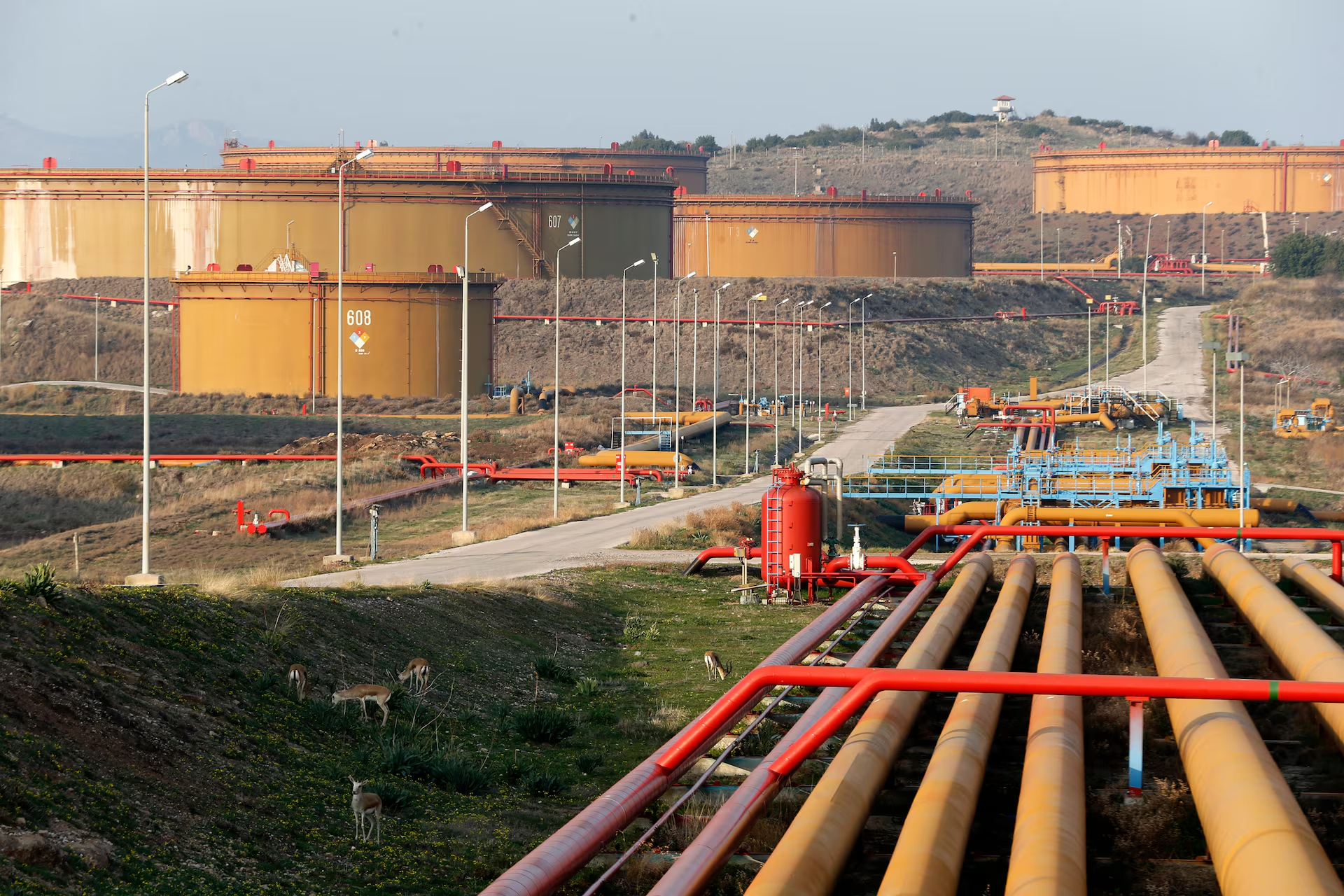
Baghdad – Iraq plans to resume crude exports through the Kirkuk-Nineveh pipeline to Turkey within the next month. Officials say the move could strengthen the country’s export network and improve energy transportation routes. The Kirkuk-Nineveh pipeline remains a key project for Iraq’s long-term oil strategy.
The Iraqi Ministry of Oil announced that technical teams continue preparations to reactivate the pipeline leading to Turkey’s port of Ceyhan. Officials expect operations to begin after completing the remaining engineering and logistical work. The route lies outside the Kurdistan Region and can transport up to 350,000 barrels of crude daily.
Basim Khudair, the ministry’s undersecretary, explained that the pipeline currently faces supply limitations from the Basra-Kirkuk line. He said the existing infrastructure cannot provide enough crude to reach the pipeline’s full export capacity. As a result, Iraq now seeks broader upgrades across its energy network.
Khudair pointed to the Basra-Haditha pipeline project as the main technical solution. Authorities believe the new line will support crude transportation between southern and northern Iraq. However, the project also aims to improve future export flexibility through several regional routes.
Government officials estimate the Basra-Haditha pipeline will carry nearly 2.25 million barrels per day. Engineers designed the project using large 56-inch pipes to handle higher volumes efficiently. Iraq also hopes the project will reduce pressure on older infrastructure and strengthen domestic supply connections.
Last month, Iraq’s cabinet approved $1.5 billion in funding to begin the pipeline project in 2026. Additionally, the government plans to finance the development through the Iraqi-Chinese cooperation agreement. Officials estimate the total project cost could reach nearly $5 billion.
The planned route would eventually connect Iraq to Jordan’s Aqaba port and Syria’s Baniyas port. These connections could provide Iraq with direct access to the Red Sea and Mediterranean shipping routes. Officials say the expansion would create faster export access to European energy markets.
Energy analysts believe the Kirkuk-Nineveh pipeline could help Iraq diversify export options beyond the Gulf region. Iraq currently depends heavily on southern ports for most oil shipments. Additionally, new northern and western routes may reduce risks tied to regional disruptions or transport bottlenecks.
The government continues discussions with regional partners to ensure long-term cooperation on export infrastructure. Officials also hope the projects will attract additional foreign investment into Iraq’s energy sector. For Baghdad, restoring the Kirkuk-Nineveh pipeline represents both an economic and strategic priority.