

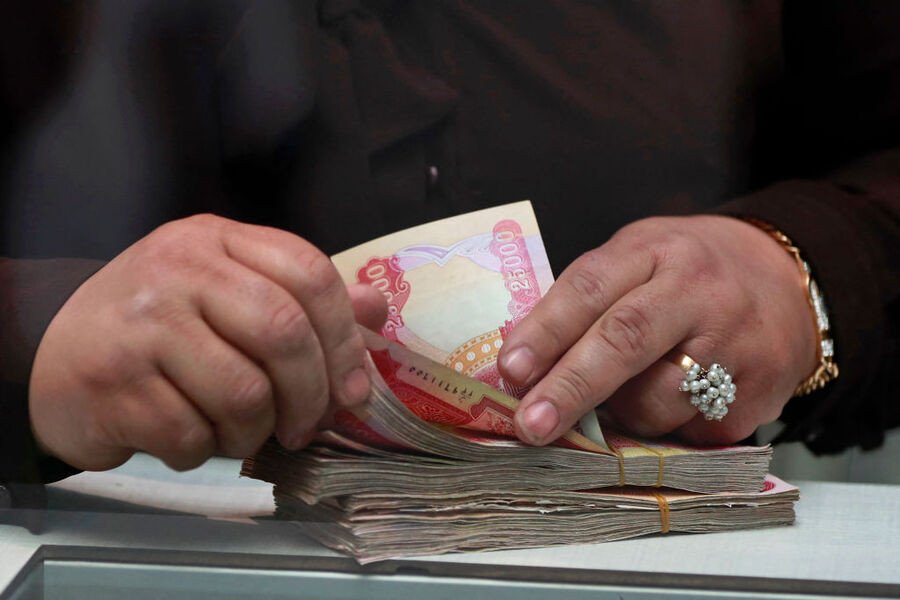
Iraq revenue diversification has become a major focus as the government works to overcome growing financial pressures. Officials insist that the country will not seek foreign loans despite recent economic challenges. Instead, leaders plan to strengthen domestic resources and expand income streams beyond traditional sources.
Government spokesperson Haider Al-Aboudi said authorities remain confident in their ability to manage the current situation. He explained that Iraq has several options available to support public finances without turning to external borrowing. According to Al-Aboudi, officials believe these measures will help maintain economic stability during a difficult period.
A key part of the government’s strategy involves increasing energy-related revenues. The Oil Ministry recently launched a new exploratory well in northern Iraq. Officials view the project as an important step toward boosting future production and generating additional state income. They hope new discoveries will create stronger financial support for government programs.
The country’s economy remains heavily tied to the oil sector. Oil sales account for the vast majority of government income each year. As a result, any disruption in exports can quickly affect public finances. Revenue from oil funds salaries, pensions, infrastructure projects, and social support programs across the country.
Recent regional tensions have highlighted the risks of relying heavily on crude exports. Conflict involving the United States, Israel, and Iran created uncertainty in key shipping routes. The situation affected traffic through the Strait of Hormuz, one of the world’s most important energy corridors. These disruptions placed additional pressure on Iraq’s export operations.
Economic analysts reported a significant decline in export volumes during the crisis. Daily exports reportedly fell below 800,000 barrels. The reduction created substantial financial losses for the country. Estimates suggested that Iraq lost roughly $128 million in revenue each day while export activity remained constrained.
These developments have renewed discussions about long-term economic reforms. Many experts argue that Iraq must reduce its dependence on oil revenues. They believe a broader economic base would provide greater protection against market shocks and geopolitical events. Diversified income sources could also strengthen financial resilience during periods of uncertainty.
The government appears determined to move in that direction. Iraq revenue diversification now sits at the center of economic planning efforts. Officials continue to explore opportunities in energy development while searching for additional sources of national income. Their approach reflects a desire to build a more balanced and sustainable economy.
For now, authorities remain firm in their position. Iraq revenue diversification, rather than foreign borrowing, will serve as the government’s preferred path forward. As regional challenges continue, policymakers hope this strategy will help secure financial stability and support future growth.