

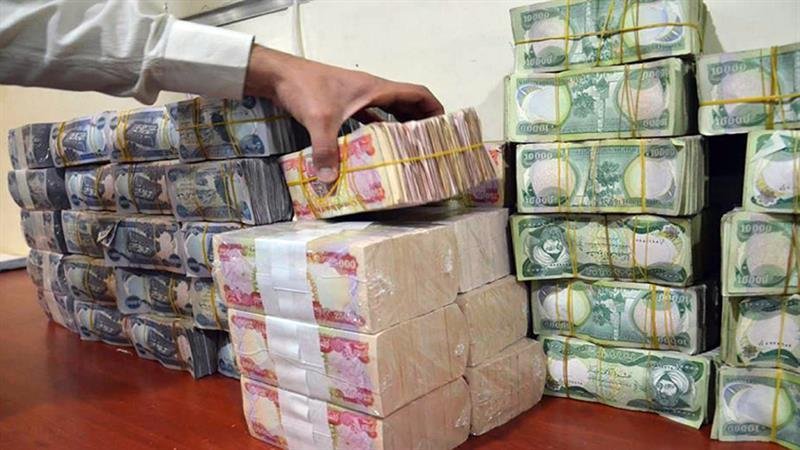
Iraq fiscal deficit 2026 widened during first four months of 2026 in Iraq, recorded in official data reportedly. Finance data shows a widening gap between rising spending and slower revenue growth across the budget further. The shortfall reached 6.67 trillion dinars, according to official figures published by the Ministry of Finance available. Early fiscal trends highlight growing pressure on state finances and fiscal planning overall. Early data suggests spending momentum continues strongly into the second quarter.
Government revenue reached 31.16 trillion dinars from January to April, official figures show periodically. Spending climbed to 37.84 trillion dinars over the same reporting period overall recorded. Oil income dominated receipts and formed the core of state public finance structure. Non-oil sources remained limited despite ongoing reform efforts in Iraq system. This imbalance creates widening pressure on the federal budget structure system.
Iraq fiscal deficit 2026 reflects spending priorities led by the Ministry of Finance with 9.23 trillion dinars in early 2026. Interior followed with 4.45 trillion dinars on security operations nationwide. Education and defense also accounted for major allocations across the federal budget system. The Kurdistan Region received 4.17 trillion dinars in federal transfers during the period framework. Security and public services continue to dominate government budget allocations system.
Oil revenue reached 26.12 trillion dinars and supported most government operations and spending sector. Non-oil revenue stood at just over 5 trillion dinars during the same period sector. Economic analysts continue to warn about heavy reliance on energy exports sector. This dependence exposes Iraq to global oil price volatility levels. Fiscal experts call for urgent non-oil revenue expansion policy measures recent.
Iraq fiscal deficit 2026 signals widening fiscal strain as spending grows faster than income early in the year framework. Policymakers now face pressure to expand taxation and economic diversification system. Without reforms, budget gaps may persist in coming years with fiscal reforms system. Economists urge stronger private-sector development to stabilize long term revenues system. The government may need tighter controls on public spending growth system.