

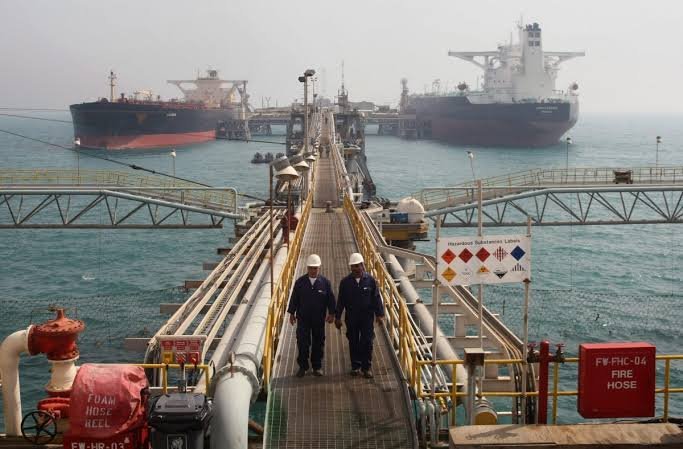
Baghdad – The Iraq oil export routes strategy is gaining momentum as the government explores new pipeline options to strengthen energy exports and reduce reliance on existing maritime channels. The Ministry of Oil confirmed that several alternatives remain under review, including a proposed pipeline connecting Iraq to Syria’s Mediterranean coast. Officials believe expanding export options will improve energy security and increase flexibility during regional shipping disruptions.
Oil Ministry spokesperson Salim al-Rikabi said the proposed pipeline to Syria’s Baniyas port remains under study. He explained that Iraq must first complete the Basra-Haditha oil pipeline before moving forward with the second stage of the project. That initial pipeline will transport crude oil from southern Iraq to Haditha in Anbar Province.
Once the first phase is complete, engineers can begin preparations for a new export line extending toward the Syrian coast. Authorities continue evaluating the project’s technical and economic feasibility before making a final decision. Officials say the study will determine whether the investment meets Iraq’s long-term export goals.
The proposed route would provide an alternative to shipping crude oil through Iraq’s current maritime outlets. Government officials believe additional export corridors would strengthen Iraq’s ability to reach international markets during periods of regional instability. They also expect greater flexibility to support future increases in oil production.
The Iraq oil export routes plan received additional attention following recent diplomatic discussions between Iraq and Syria. Iraqi Foreign Minister Fuad Hussein met with Syrian Foreign Minister Asaad al-Shaibani to discuss possible mechanisms for transporting Iraqi energy supplies into Syria. The talks reflected growing interest in expanding regional energy cooperation.
Officials also pointed to continuing challenges facing commercial shipping through the Strait of Hormuz. They believe alternative land-based export routes could reduce risks linked to disruptions in major maritime corridors. Diversifying export infrastructure remains an important part of Iraq’s long-term energy strategy.
Earlier this year, the Iraqi cabinet approved plans to proceed with the Basra-Haditha oil pipeline. The project carries an estimated cost of $4.6 billion and represents one of Iraq’s largest energy infrastructure investments. State-owned Basra Oil Company and the State Company for Oil Projects will oversee construction.
The pipeline will stretch approximately 685 kilometers from Basra to Haditha. Engineers designed the system to transport up to 2.25 million barrels of crude oil per day using large-diameter pipelines. Officials expect the project to improve domestic transportation while creating connections to future export networks.
Government planners also see the pipeline as the foundation of a broader regional network. Future extensions could connect Iraq with both Jordan and Syria, providing direct access to the Mediterranean Sea and the Red Sea. These routes would offer additional pathways to European energy markets.
The project receives funding through the Iraq-China Framework Agreement. Officials believe the investment will strengthen national infrastructure while supporting long-term economic development. Expanding export capacity also remains a priority as Iraq seeks greater resilience in global energy trade.
The Iraq oil export routes initiative reflects the government’s broader effort to diversify export options and improve market access. By developing new pipelines alongside existing facilities, Iraq hopes to strengthen its position as a reliable energy supplier while protecting exports from future regional disruptions.