

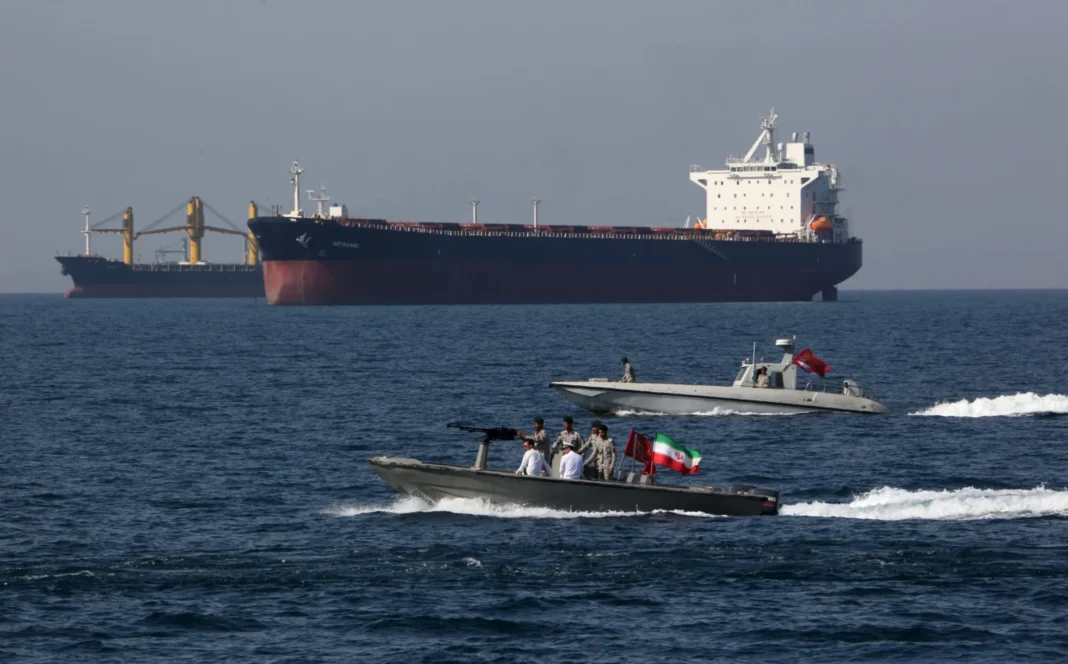
Iraq Hormuz oil exports returned to focus after Baghdad secured a new agreement with Iran to allow oil tankers safe passage through the Strait of Hormuz. The move comes as regional tensions continue to disrupt shipping routes and energy markets across the Middle East.
Iraqi officials acted quickly to protect crude exports that faced delays following the conflict involving Iran, the United States, and Israel. The Strait of Hormuz remains one of the world’s most critical energy corridors, carrying a large share of Iraq’s petroleum shipments to global markets.
According to reports, two supertankers successfully crossed the strait on Sunday. Each vessel carried nearly two million barrels of oil. The shipments marked one of Iraq’s first major export movements since maritime activity slowed sharply in recent months.
The agreement highlights Iraq’s dependence on stable shipping routes to maintain economic balance. Oil revenues provide the backbone of the Iraqi economy and support most state spending. Any disruption to exports places immediate pressure on government finances and public services.
Sources from Iraq’s Oil Ministry said Baghdad continues to coordinate closely with Iranian authorities regarding tanker movements. Iraqi officials reportedly share detailed shipping information before vessels pass through the strategic waterway. The government hopes the coordination will prevent additional interruptions and reassure international buyers.
Iraq Hormuz oil exports have faced growing risks since regional tensions intensified earlier this year. Concerns over security in the Gulf pushed shipping costs higher and created uncertainty across global energy markets. Traders and oil companies continue monitoring developments closely as instability affects supply chains.
The new arrangement also reflects Iraq’s delicate diplomatic position between Tehran and Washington. Baghdad maintains political and economic ties with both sides while attempting to avoid deeper involvement in regional confrontations. Iraqi leaders continue seeking balanced relations to protect national interests and economic stability.
Energy analysts believe safe passage through Hormuz remains essential for Iraq’s long-term export strategy. Most Iraqi crude travels through southern ports before entering international markets through the narrow maritime corridor. Any prolonged disruption could reduce exports and weaken government revenue during a sensitive economic period.
Reports also suggest Iran reached similar understandings with other regional countries regarding energy shipments. These developments indicate Tehran’s growing influence over transport routes connected to Gulf energy exports. Several countries now seek coordination measures to avoid delays and financial losses.
Iraq Hormuz oil exports will likely remain vulnerable while regional tensions persist. However, Iraqi officials hope the latest agreement can reduce immediate risks and restore confidence among energy companies and global buyers. The government continues monitoring maritime conditions while working to secure uninterrupted crude flows from southern export terminals.