

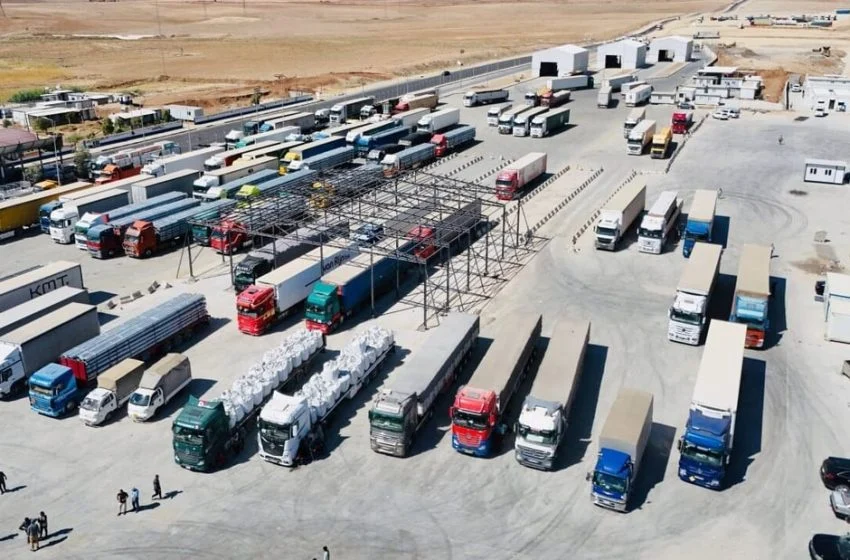
Iraq strengthens trade routes expansion as new corridors improve regional connectivity. The country responds quickly to supply chain pressure. As a result, Iraq shifts toward alternative routes. Therefore, officials focus on faster and safer trade paths.
First, disruptions affected shipping through the Strait of Hormuz. These disruptions slowed traditional oil and goods transport. Consequently, Iraq increased its reliance on land and mixed transport systems. Iraq strengthens trade routes expansion to avoid further delays.
Moreover, a new corridor linked to NEOM supports regional trade. This project connects multiple markets through advanced logistics networks. Additionally, companies such as Pan Marine and DFDS support these operations. These firms help reduce delivery times and improve efficiency.
At the same time, exporters use the Europe-to-Gulf corridor. This route combines trucking and ferry services through Egypt. As a result, goods reach markets such as the UAE, Kuwait, Iraq, and Oman more quickly. Therefore, Iraq strengthens trade routes expansion with diverse connections.
Furthermore, Iraqi importers now access European products more quickly. This shift reduces dependence on risky maritime routes. Meanwhile, regional tensions continue to affect sea transport. Because of this, land corridors provide more stability.
In addition, Iraq expands western export routes through Syria. Trucks carry goods and oil across Anbar toward coastal ports. For example, shipments move toward Baniyas for further export. These actions support ongoing trade activity despite regional challenges.
Previously, Iraq depended heavily on Gulf shipping lanes. However, current conditions forced a strategic change. Iraq strengthens trade routes expansion to protect its economy. This approach ensures a continued flow of goods and energy.
Additionally, security concerns increased pressure on tanker traffic. These risks made alternative corridors more important. Therefore, Iraq continues to invest in flexible logistics systems. These systems support trade even during instability.
In conclusion, Iraq adapts quickly to regional disruptions. The country builds stronger trade networks through new corridors. These efforts improve resilience and maintain economic stability.