

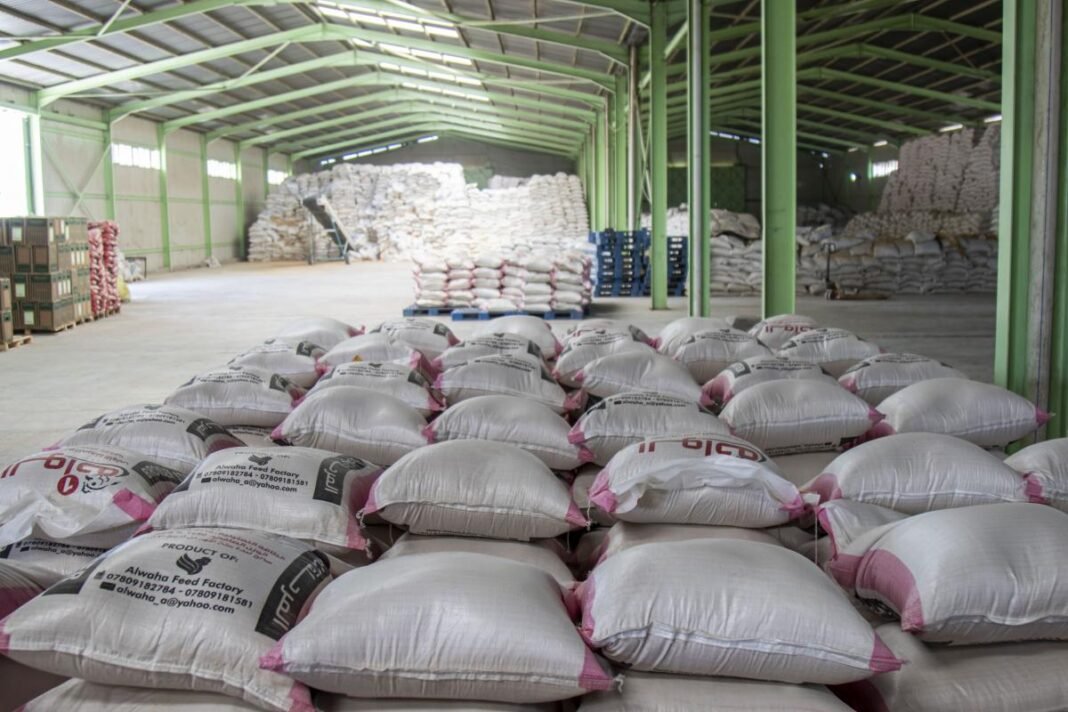
Iraq strengthens local industry with new public-private partnerships. The Iraqi-made products initiative gains momentum as the Ministry of Industry and Minerals pushes forward.
In addition, the General Company for Food Products signed two major agreements to develop key factories in Babil province. These deals focus on modernizing outdated production facilities and expanding the national product range.
One agreement targets the starch and dextrin factory. Under this plan, engineers will install a dry corn milling plant. Alongside it, a bottled water production line will begin operating. The factory will also feature a gelatinised starch unit and a corn gypsum production section.
This complete overhaul aims to ensure the facility meets Iraq’s growing market demands. More importantly, the focus remains clear: increase reliance on Iraqi-made products.
In a separate move, the Al-Ameen soap and detergent factory will undergo a similar transformation. New production lines will bring a range of hygiene and cleaning items to Iraqi shelves.
This second partnership will allow the factory to create toilet soaps, laurel soaps, and liquid hand soaps. It will also introduce dishwashing liquids, carpet cleaners, car shampoos, and glass cleaners. With this variety, Iraq seeks to reduce imports and serve its local market more effectively.
Director General Eng. Haider Shwia Mazal stressed that these partnerships are a solid step forward. He highlighted that such cooperation boosts the local economy and supports industrial growth. The collaboration also opens new opportunities for Iraqi labor and private sector growth.
Moreover, this strategy strengthens Iraq’s ability to produce competitive, high-quality goods. Instead of relying on foreign imports, the country plans to lean more on Iraqi-made products. This shift not only encourages national pride but also keeps money within the domestic economy.
These developments mark a clear sign of change. Iraq continues to rebuild its industrial base using practical methods. The partnerships also showcase how the government and private sector can work together toward mutual benefit.
With upgraded technologies and modern tools, both factories aim to deliver better goods at lower costs. Iraqi citizens will soon enjoy a wider variety of local products, made through cleaner, more efficient systems.
Through these efforts, Iraq moves closer to industrial self-sufficiency. The long-term goal remains steady: expand production, satisfy local demand, and uplift national industries through Iraqi-made products.