

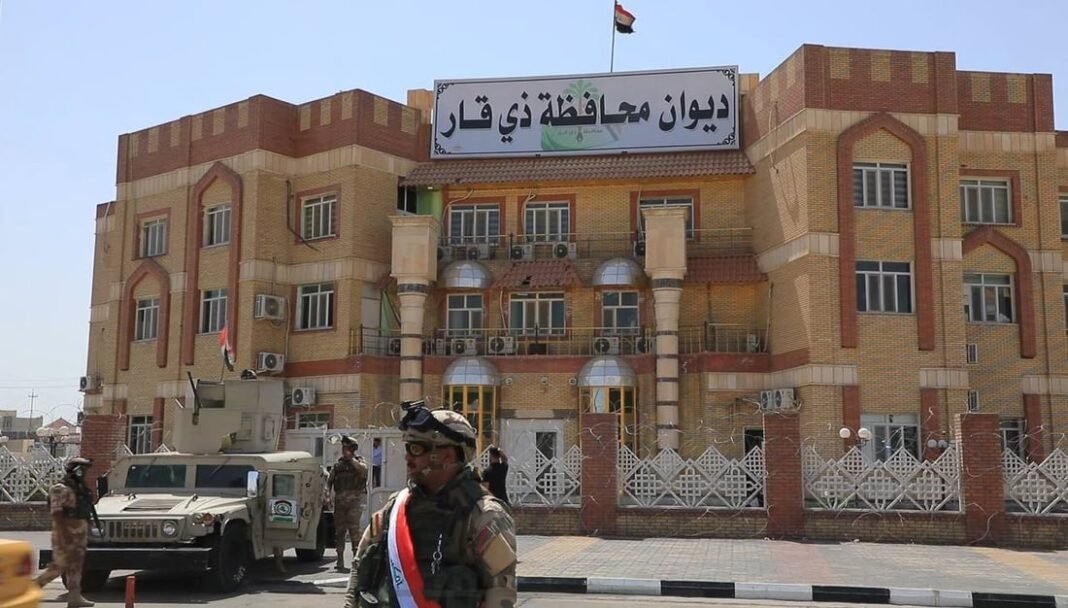
Dhi Qar authorities have recovered more than 20 billion Iraqi dinars in public funds. The recovery came during a broad anti-corruption campaign across government service departments. Officials also referred 50 employees to the judiciary over suspected financial and administrative violations.
Dhi Qar Governor Haitham Al-Hamdani announced the results on Sunday. He said authorities recovered the funds between January and July 2026. The recovered amount equals roughly $15.2 million based on current exchange estimates.
Dhi Qar anti-corruption drive focused on local service directorates and municipal departments. The Municipality of Nasiriyah played a central role in the campaign. Authorities worked with the Federal Integrity Commission and the Supreme Judicial Council during the investigations.
Officials established more than 200 investigative committees to examine government departments. The committees reviewed financial records, administrative decisions, and municipal contracting files. Their work aimed to identify misuse of public funds and administrative negligence.
The campaign also produced disciplinary measures against government employees. Authorities found around 200 civil servants responsible for administrative negligence or other misconduct. Officials then applied different administrative measures based on the findings.
Authorities referred 50 employees to the judiciary for possible criminal prosecution. The referrals mark a stronger legal response to suspected corruption. Courts will determine responsibility and any penalties under Iraqi law.
The local government also removed or reassigned several senior officials. Department heads and division directors faced administrative changes during the campaign. Officials also reviewed the positions of surplus employees across municipal units.
Dhi Qar anti-corruption drive follows broader government efforts to strengthen oversight of public spending. The campaign operates under anti-corruption directives issued by Prime Minister Ali Falih al-Zaidi. The Dhi Qar Provincial Council also supervises the implementation of the measures.
Local authorities say the campaign targets departments responsible for essential public services. Municipal units manage significant development funds and oversee projects that directly affect residents. Stronger oversight could therefore help protect public resources and improve service delivery.
Governor Al-Hamdani said inspections will continue across other provincial departments. Authorities plan to expand financial audits in Nasiriyah and surrounding districts. They also intend to combine administrative reforms with judicial action when investigations uncover potential crimes.
The recovery of public funds represents one of the campaign’s most significant results. However, authorities face a larger challenge in preventing similar losses in the future. Stronger procurement controls, regular audits, and transparent contracting could help reduce corruption risks.
The campaign also highlights the growing role of cooperation between local and federal institutions. Provincial authorities can identify problems through field inspections and financial reviews. Federal integrity bodies and judicial institutions can then pursue cases that require legal action.
Dhi Qar anti-corruption drive is expected to continue as authorities expand their inspections. Officials say protecting public money remains a central priority for the provincial administration. Further investigations could lead to additional recoveries, disciplinary actions, and judicial referrals.
The latest measures show that Dhi Qar is increasing pressure on officials suspected of financial misconduct. Recovering stolen or misused funds can also strengthen public confidence in government institutions. At the same time, sustained oversight will remain essential to ensure lasting results.