

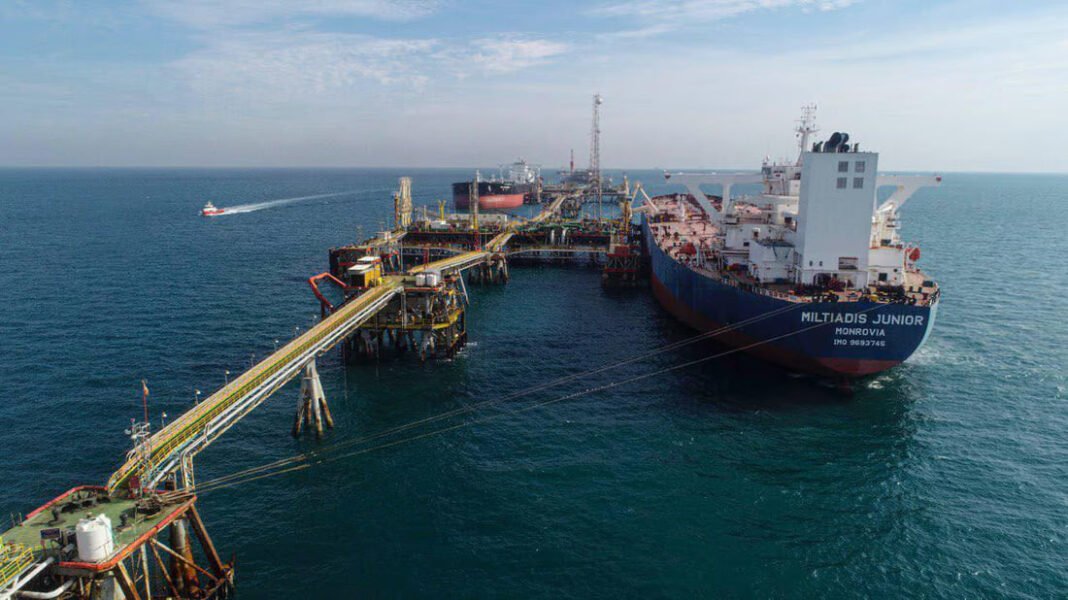
Iraq oil exports to South Korea recorded a sharp decline in May 2026 as Seoul accelerated efforts to diversify its energy imports. New figures show Iraqi crude shipments dropped significantly compared with both the previous year and the previous month. The decline reflects South Korea’s strategy to reduce dependence on Middle Eastern oil amid ongoing regional uncertainty.
According to the Korea National Oil Corporation (KNOC), South Korea imported about 2.14 million barrels of Iraqi crude oil in May. The volume marked an 80.1 percent decline from 10.77 million barrels imported during the same month in 2025. Imports also fell 62.2 percent compared with April 2026.
The latest figures placed Iraq among South Korea’s leading oil suppliers despite the steep decline. However, several competing exporters supplied considerably larger volumes during the month. The changing rankings highlight Seoul’s shifting energy procurement strategy.
Saudi Arabia remained South Korea’s largest crude oil supplier in May, delivering 18.83 million barrels. The United States ranked second with 15.02 million barrels, followed by the United Arab Emirates at 13.15 million barrels. Algeria supplied 3.64 million barrels, while Qatar exported 2.78 million barrels. Iraq delivered 2.14 million barrels, slightly ahead of Kazakhstan, which supplied 2.08 million barrels.
The downward trend also appeared in longer-term import data. During the first five months of 2026, South Korea imported 31.99 million barrels of Iraqi crude. That total represented a 29.9 percent decline compared with the same period in 2025.
Energy analysts link the reduction to South Korea’s broader diversification strategy. Seoul has worked to secure oil supplies from a wider range of countries to strengthen energy security. Officials also seek to reduce risks associated with geopolitical tensions in the Middle East.
South Korea has expanded crude oil purchases from the United Arab Emirates, Algeria, Canada, and several African producers. The country has also increased the use of alternative shipping routes to reduce reliance on the Strait of Hormuz, one of the world’s most strategically important maritime corridors.
Canadian crude has become an increasingly important part of Seoul’s long-term energy plans. South Korea aims to import 16 million barrels of Canadian oil this year. Government plans also target annual imports of 20 million barrels over the longer term.
The decline in Iraq oil exports to South Korea comes as global energy markets continue adjusting to changing trade patterns and regional security concerns. Importing nations increasingly prioritize supply diversification to reduce exposure to potential disruptions.