

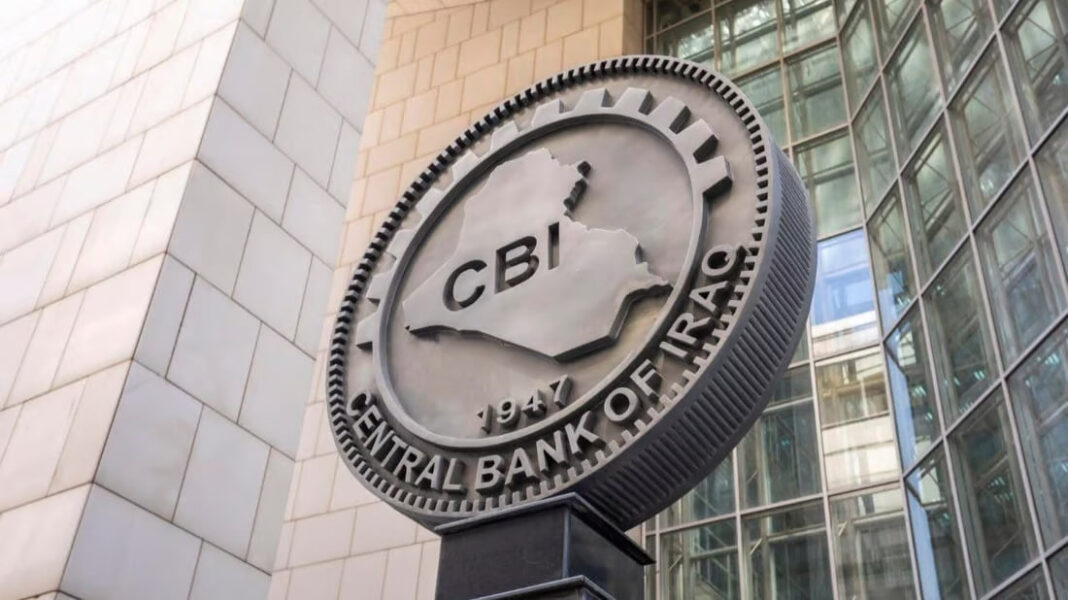
Economic discussions in Iraq have intensified after recent movements in the parallel market pushed the U.S. dollar higher. The phrase Iraq dollar exchange stability has gained attention as analysts try to explain the short-term pressure on currency markets. Experts insist the shift does not reflect a structural weakness in Iraq’s financial system.
Economic analyst Dr. Nermin Marouf described the recent rise in the dollar rate as a temporary fluctuation. She said the movement remains limited to the parallel market and does not affect the official exchange rate. According to her, the Central Bank of Iraq continues to maintain a stable and legally fixed rate.
Marouf explained that speculation and public anxiety play a major role in recent price changes. She added that rumors about future devaluation have encouraged some market participants to act defensively. These reactions increased demand for foreign currency and created short-term pressure.
The analyst stressed that demand pressure, not a shortage of dollars, drives the current situation. She linked the trend to uncertainty following leadership changes at the Central Bank. She also pointed to concerns about regional tensions and disruptions in oil export routes as contributing factors.
Despite these pressures, Marouf argued that Iraq’s monetary position remains strong. She highlighted the country’s foreign exchange reserves, which exceed $90 billion. According to her, this level of reserves provides a strong buffer for imports and financial stability.
She also emphasized that the official exchange rate remains anchored in the federal budget. Authorities expect it to stay unchanged through the 2027 budget cycle. This policy framework, she said, supports long-term stability in the currency market.
The Central Bank’s leadership transition, according to Marouf, does not signal any change in overall monetary policy. She noted that Iraq’s financial institutions continue to operate under the same strategic direction. This continuity helps reduce uncertainty among investors and traders.
The Iraq dollar exchange stability discussion also includes warnings against potential policy shifts. Marouf advised against any decision to devalue the Iraqi dinar. She argued that such a move could increase inflation and reduce household purchasing power.
She explained that a weaker currency might raise government revenues in the short term. However, she warned it would also increase living costs and deepen economic challenges for vulnerable groups. These effects, she said, would outweigh any temporary fiscal benefit.
Public sector salaries and government obligations remain secure, according to her assessment. She pointed to Iraq’s financial resources as sufficient to cover essential spending. This stability, she argued, supports confidence in the broader economy.
Marouf also encouraged citizens to avoid speculative currency trading. She said speculation often benefits a small group while exposing ordinary savers to losses. Instead, she recommended using foreign currency only for essential needs such as travel or medical expenses.
As market uncertainty continues, analysts expect the situation to stabilize once speculation fades. The repeated emphasis on Iraq dollar exchange stability reflects ongoing efforts to reassure the public and maintain confidence in the financial system.