

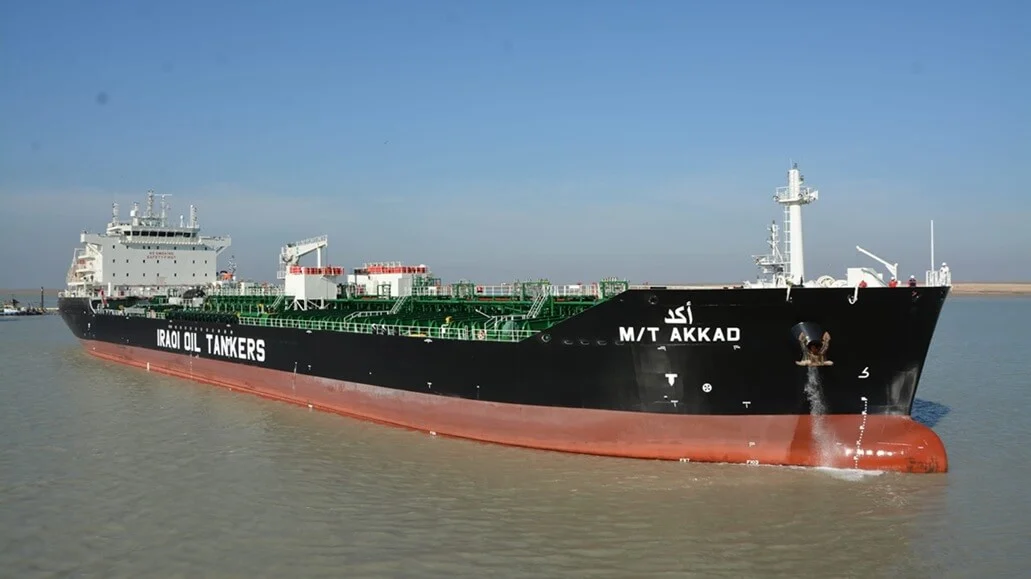
PetroChina and Indian Oil Corp struggled to secure very large crude carriers for Basrah cargoes in late June. The Iraqi crude tanker shortage disrupted their lifting plans and tightened regional shipping options. Shipping sources and company contacts confirmed the issue on Thursday. Sinochem also entered the market, searching for available vessels to lift additional Iraqi barrels.
Charter markets showed stronger competition for VLCCs during the same period. Oil traders pointed to higher demand from multiple Atlantic and Middle East cargoes. Shipowners preferred short-term deals with stronger rates, which limited availability for Iraqi shipments. This pressure left several Asian refiners unable to lock in timely transport capacity.
The situation created delays in scheduled loading programs at Iraqi export terminals. Traders watched freight rates climb as more buyers competed for fewer ships. The Iraqi crude tanker shortage also pushed some companies to revisit their procurement timelines. Sinochem’s search highlighted how even major Chinese buyers faced difficulty securing prompt tonnage.
Market participants noted that vessel availability shifted quickly within a single week. Owners redirected ships toward more profitable routes, especially when rates spiked. Refiners in Asia adjusted their strategies to avoid last-minute exposure in the spot market. This approach helped them reduce risk but also limited flexibility.
Supply flows from Iraq remained stable, yet logistics faced mounting pressure. Basrah crude exports still attracted strong demand from Asian refiners. However, freight constraints created uncertainty around delivery timing and shipping costs. The Iraqi crude tanker shortage now reflects broader strain in global crude transport networks.
Analysts expect the market to stay tight if demand for VLCCs remains elevated. Seasonal buying patterns and refinery runs may keep charter rates firm. Companies may need to secure vessels earlier or accept higher premiums. Without that adjustment, shipping disruptions could continue into the next cycle.