

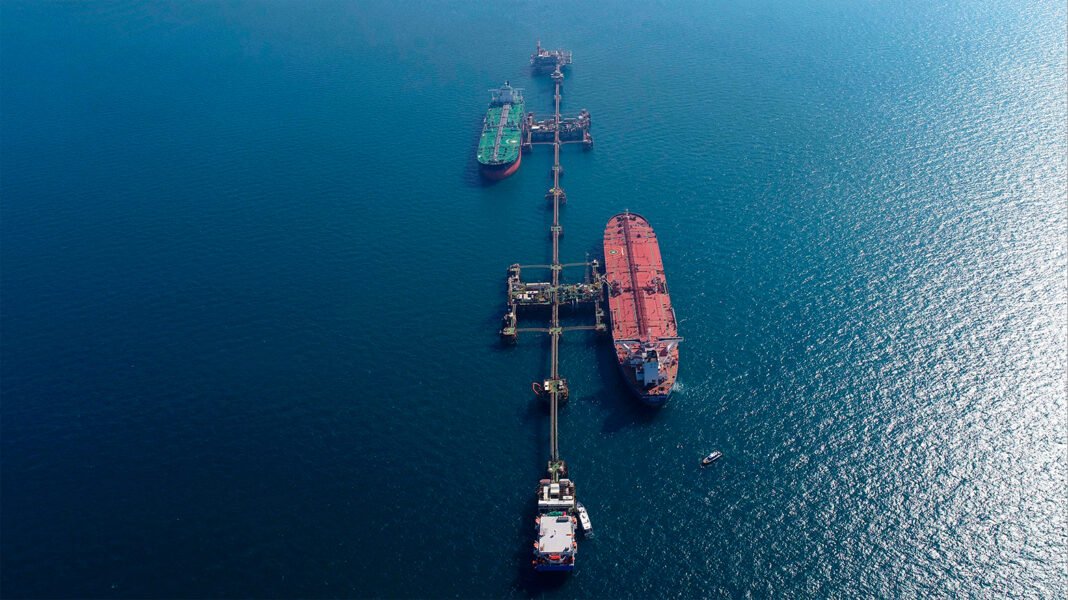
Iraq oil product exports recorded a noticeable decline during the first quarter of 2026, according to new figures released by the State Organization for Marketing of Oil (SOMO). The latest data showed lower export volumes compared to the same period last year. Despite the decline, government officials continue to push forward with refinery development projects aimed at strengthening domestic production and reducing reliance on imports.
SOMO reported that Iraq exported approximately 2.35 million tons of oil products between January and the end of March 2026. Fuel oil accounted for the largest share of shipments, reaching about 2.11 million tons. Naphtha exports totaled more than 234,000 tons during the same period.
The figures indicate a decrease from the first quarter of 2025. During that period, exports reached roughly 2.79 million tons. The difference amounts to more than 444,000 tons, highlighting a weaker export performance in the opening months of the year.
Industry observers note that several factors can influence export volumes. Domestic demand, refinery operations, maintenance schedules, and market conditions often affect the quantity of products available for overseas buyers. As a result, export levels can fluctuate from one quarter to another.
Another notable detail from the SOMO report involves sulfur exports. Iraq did not ship any sulfur during the first three months of 2026. The absence of sulfur exports contrasts with previous periods when the product contributed to the country’s broader export portfolio.
Although Iraq remains one of the world’s major crude oil producers, the country continues to import some refined petroleum products. Limited refining capacity and aging infrastructure have created challenges for meeting all domestic requirements through local production. Consequently, authorities have prioritized investments in refinery upgrades and new processing facilities.
The Ministry of Oil has launched several projects designed to increase refining capacity across the country. Officials believe these developments will help improve fuel availability and strengthen the energy sector. The government also aims to reduce dependence on imported petroleum products over the long term.
Earlier this month, Oil Ministry spokesperson Salim al-Rikabi reaffirmed the government’s commitment to expanding domestic output. He stated that work continues on several large refinery projects located in different provinces. These facilities form part of a broader strategy to modernize Iraq’s refining industry.
Current projects include new refineries in Diwaniyah, Maysan, Najaf, and Anbar. Once operational, these plants will support local fuel supplies and help meet growing consumer demand. Officials expect the projects to deliver tangible benefits for the domestic market.
While Iraq oil product exports declined in the first quarter, authorities remain focused on long-term growth. New refinery investments could strengthen production capacity and improve market stability. As these projects advance, Iraq oil product exports may benefit from a stronger and more efficient refining sector in the years ahead.