

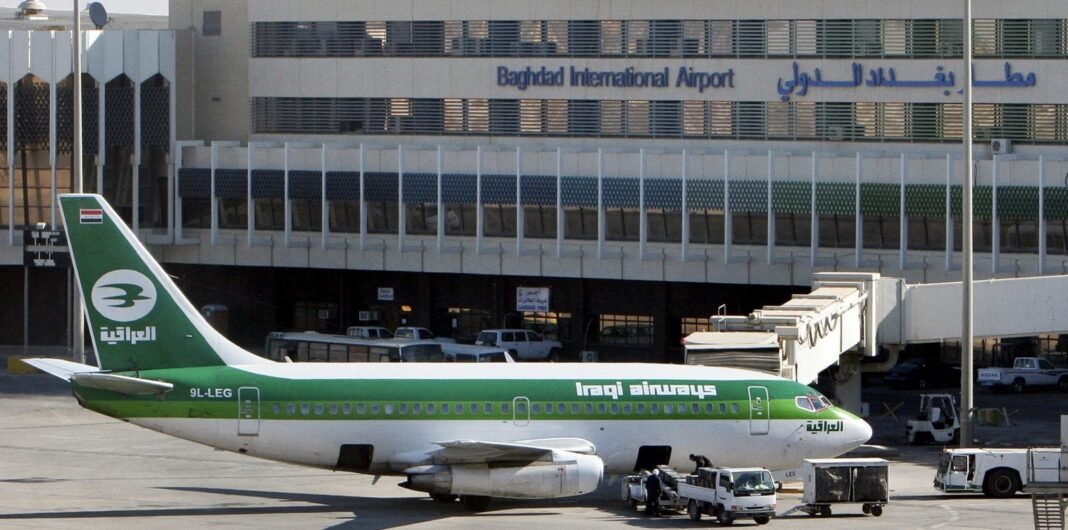
The future of the Baghdad airport modernization project remains uncertain after Iraqi authorities canceled a major airport contract worth $764 million. Despite the setback, the International Finance Corporation (IFC), part of the World Bank Group, says it will continue supporting Iraq’s economic development efforts.
The Iraqi government ended the airport agreement only days after concerns emerged about possible misconduct linked to the deal. The project aimed to upgrade and expand Baghdad International Airport, one of the country’s most important transport hubs. Officials viewed the initiative as a significant step toward improving infrastructure and attracting private investment.
The IFC had worked with Iraqi authorities since September 2023 to help structure the project. The organization also assisted with the tender process alongside international legal advisers. According to a statement provided to investigative journalists, the IFC said it followed strict international standards throughout its involvement.
The organization explained that its objective centered on creating a public-private partnership for the airport. The plan included rehabilitation, expansion, financing, operation, and long-term maintenance of the facility. IFC representatives stressed that they applied recognized practices designed to promote transparency, fairness, and integrity.
However, the Iraqi government decided to halt the contract before work could move forward. Officials have not publicly released full details behind the cancellation. Nevertheless, several reports cited concerns about possible irregularities related to bidding procedures and contractual arrangements.
Communications Minister Mustafa Sanad announced the termination over the weekend. His statement did not directly address corruption claims. Later, reports from state media quoted unnamed officials who said previous allegations had cast a shadow over the agreement.
Reuters also reported that government sources pointed to suspicions surrounding elements of the bidding process. Those concerns appear to have influenced the decision to cancel the deal. As a result, the Baghdad airport modernization project now faces an uncertain path forward.
The move reflects the broader anti-corruption agenda pursued by Prime Minister Ali al-Zaidi. Since taking office, he has pledged to confront longstanding corruption within government institutions. His administration has launched several high-profile investigations aimed at strengthening public accountability.
Earlier in his term, authorities arrested a senior oil ministry official during a major anti-corruption operation. Investigators reportedly seized large amounts of cash, gold, and weapons during the raid. The case drew significant attention across Iraq and reinforced the government’s message against corruption.
Meanwhile, Baghdad International Airport has faced criticism for years. Questions regarding labor practices and procurement procedures have repeatedly surfaced. In 2023, investigative reporting highlighted allegations involving a foreign security contractor operating at the airport. Former employees claimed the company pressured workers regarding unpaid wages and employment disputes.
These developments illustrate the ongoing challenges facing Iraq as it seeks to modernize critical infrastructure. Investors continue to monitor government reforms closely. At the same time, international institutions remain interested in supporting long-term development.
Although the contract has collapsed, the IFC says it will maintain cooperation with Iraqi authorities and private-sector partners. The organization believes economic growth requires continued engagement and investment. For now, the fate of the Baghdad airport modernization project will depend on future government decisions and the outcome of ongoing reviews.