

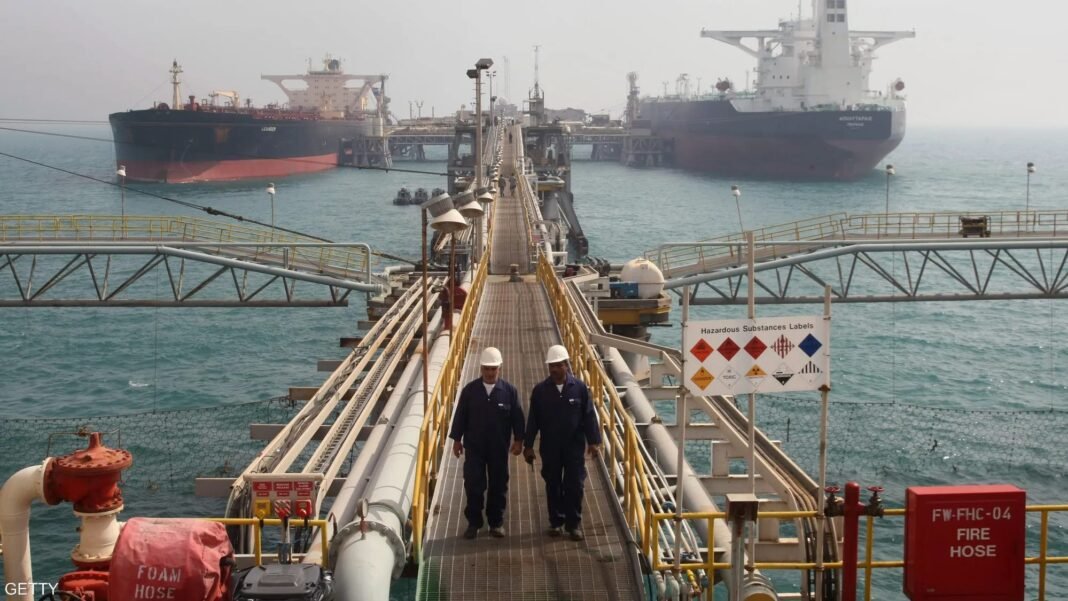
Iraq oil revenue dependence continued to shape the country’s financial performance during the first four months of 2026. Newly released government accounts showed that crude exports remained the primary source of state income. Oil earnings generated the vast majority of public revenues between January and April. The figures also highlighted ongoing challenges linked to spending levels and budget management.
Federal financial data showed total government revenue reached 31.163 trillion Iraqi dinars, equivalent to about $20 billion. Oil sales contributed 26.121 trillion dinars, or roughly $17 billion, during the same period. As a result, petroleum income accounted for 84% of overall government revenues. Meanwhile, non-oil activities generated 5.041 trillion dinars, representing the remaining share of state income.
Government spending exceeded incoming revenues during the first four months of the year. Total expenditures reached 37.835 trillion dinars, or nearly $25 billion. This gap produced a budget deficit of 6.672 trillion dinars, estimated at around $5 billion. The figures reflect the continuing challenge of balancing public finances while maintaining essential services and development programs.
Current expenditures made up the largest portion of government spending. Authorities allocated 36.444 trillion dinars toward salaries, operational costs, and other recurring obligations. Investment spending remained much lower by comparison. Development projects and capital investments received 1.391 trillion dinars, equivalent to approximately $902 million.
The latest data underscore the extent of Iraq oil revenue dependence across the national economy. Iraq remains the second-largest oil producer within OPEC. For decades, crude exports have supplied most government funding. This structure leaves public finances highly sensitive to shifts in global energy markets.
Recent regional developments have increased concerns about that vulnerability. The conflict involving Iran disrupted shipping activity through the Strait of Hormuz. The strategic waterway carries around one-fifth of the world’s oil supplies. Any disruption in the area can quickly affect export routes, energy prices, and government revenues across the region.
Economic analysts have also pointed to changes in Iraq’s production levels. In late March, economist Nabil Al-Marsoumi reported a significant reduction in Iraqi oil output. He estimated production fell by approximately 2.9 million barrels per day. According to his assessment, this represented the largest production cut among OPEC members at the time.
Looking ahead, policymakers face increasing pressure to strengthen alternative revenue sources. Expanding non-oil sectors could reduce exposure to fluctuations in energy markets. However, such efforts require time, investment, and structural reforms. Until then, Iraq oil revenue dependence will likely remain a defining feature of the country’s economic landscape and fiscal planning.