

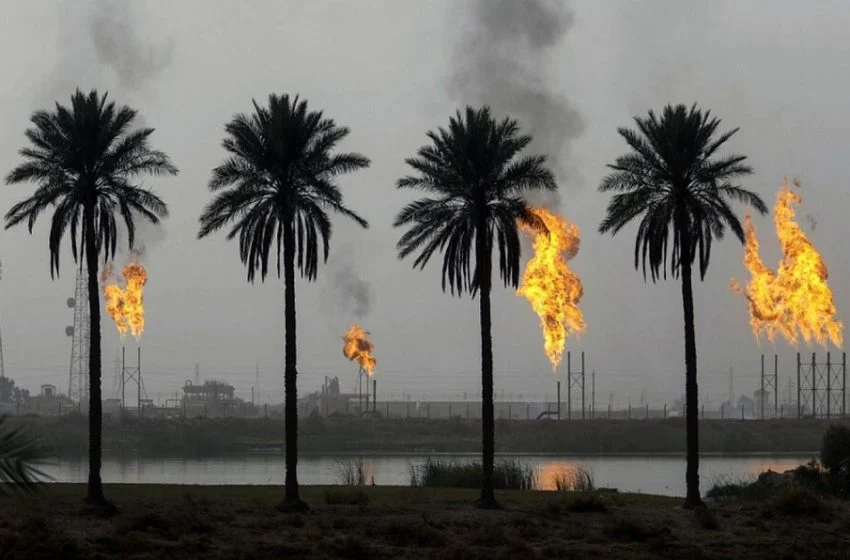
The Iraq oil export crisis has raised serious concerns in Baghdad as regional conflict disrupts key shipping routes. Foreign Minister Fuad Hussein warned that prolonged instability could push the country toward a severe fiscal breakdown. He stressed that oil exports fund nearly all government spending. Therefore, any long disruption creates immediate pressure on national finances.
Officials now link the crisis to reduced access through the Strait of Hormuz. In addition, tensions tied to the wider Iran conflict have blocked normal maritime flows. As a result, Iraq faces shrinking revenue and rising economic uncertainty. Moreover, global oil prices have reacted sharply to the tightening supply.
The closure of the Strait of Hormuz has significantly changed Iraq’s export patterns. Initially, the route handled most of the country’s crude shipments. However, restrictions have forced exporters to rethink logistics and rely on limited alternatives. Consequently, shipping delays and higher costs have become common.
Meanwhile, neighboring producers such as Saudi Arabia and Kuwait face similar barriers. This shared pressure has reduced overall Gulf exports. In turn, global markets have experienced tighter supply conditions. As a result, oil prices continue to show volatility across trading hubs.
To manage the shortfall, Iraqi authorities have explored emergency financial measures. For instance, the Central Bank has increased currency circulation to cover state spending. However, Foreign Minister Fuad Hussein warned that this approach carries serious risks. He explained that printing money can weaken purchasing power.
Moreover, inflation has already begun to rise across local markets. Families now face higher prices for basic goods and services. Therefore, economic pressure continues to build on households. The Iraq oil export crisis has made fiscal planning more difficult for policymakers.
Looking ahead, officials fear further losses if the conflict continues. Hussein warned that extended disruption could trigger a full fiscal emergency. In addition, Iraq depends on oil for nearly 90 percent of its revenue. Therefore, stability in export routes remains essential.
Ultimately, the situation depends on regional security developments. If shipping lanes reopen, recovery may begin quickly. However, continued instability could deepen the economic strain. The Iraq oil export crisis remains a central challenge for Iraq’s financial future.