

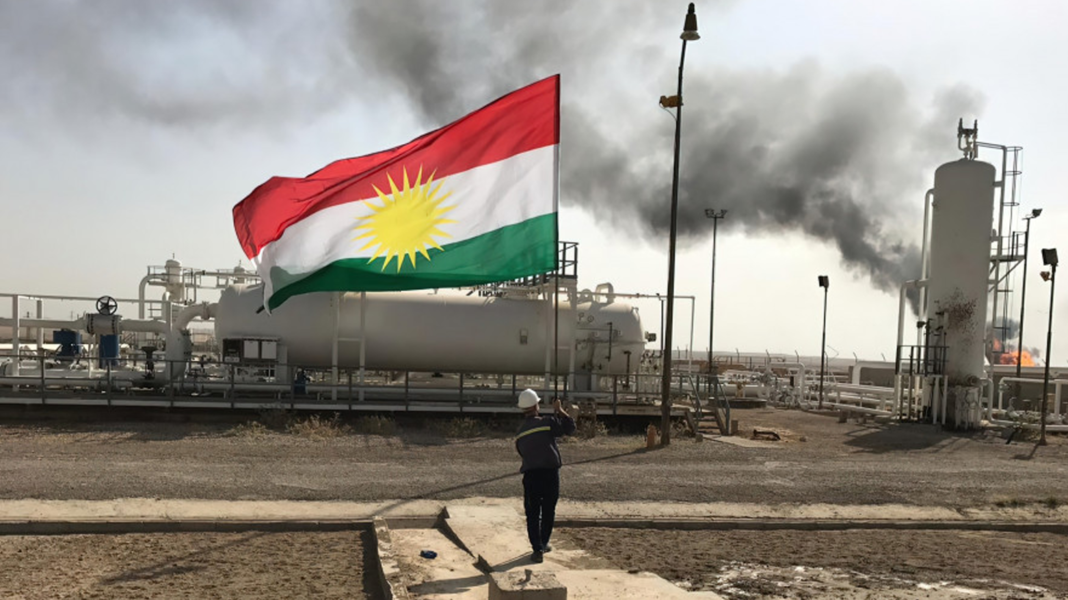
The future of northern Iraq oil production took a significant step forward after the Iraqi government ordered a return to operations in the Kurdistan region. Prime Minister Ali al-Zaidi announced that oil activities would resume starting Thursday. The decision comes as Baghdad seeks to strengthen exports and support economic stability. At the same time, officials hope to restore confidence among international energy companies operating in the region.
During a meeting with representatives from the Kurdistan Regional Government and federal authorities, Al-Zaidi discussed the impact of ongoing regional tensions on the energy sector. In addition, participants reviewed ways to help oil companies restart production as quickly as possible. Government leaders stressed the importance of cooperation between Baghdad and Erbil. As a result, they aim to accelerate the recovery of oil operations across northern Iraq.
The move follows months of disruptions linked to security concerns in the Middle East. Earlier this year, several companies reduced or suspended activities as tensions increased across the region. Consequently, oil production levels dropped significantly in some areas. These interruptions affected both government revenues and overall export capacity.
Among the affected companies was DNO, a major Norwegian energy producer operating in Iraqi Kurdistan. In May, the company confirmed that production would remain suspended because of security risks. Previously, DNO had resumed some drilling activities during April. However, the company chose to maintain production restrictions while monitoring regional developments.
DNO initially halted production and drilling operations after the outbreak of military conflict involving the United States, Israel, and Iran. Since then, energy firms have taken a cautious approach toward investments and field activities. Nevertheless, government officials continue encouraging companies to return to normal operations. Therefore, the latest decision could mark an important turning point for the sector.
According to company statements, DNO has already restarted preparations for future production growth. Specifically, the company resumed plans to drill eight new wells at the Tawke and Peshkabir fields. These projects aim to increase output once full operations restart. However, company officials have not announced a timeline for reaching that goal.
Production figures illustrate the impact of recent disruptions. DNO reported average output of 52,800 barrels per day during the first quarter of 2026. By comparison, production reached more than 82,000 barrels per day during 2025. Consequently, the decline highlighted the challenges facing northern Iraq oil production during a period of heightened uncertainty.
Meanwhile, the Iraqi government is pursuing broader plans to increase crude exports. Officials recently announced a strategy to raise pipeline exports from 220,000 barrels per day to 770,000 barrels per day. The increase will occur in two phases over the next two and a half months. In addition, authorities plan to expand oil shipments by tanker trucks to neighboring countries.
Under the government’s roadmap, truck-based exports could reach 420,000 barrels per day through a phased expansion program. Furthermore, these measures aim to strengthen Iraq’s position in regional energy markets. If successful, the strategy could boost revenues and support economic growth. Ultimately, the recovery of northern Iraq oil productionwill play a crucial role in achieving those objectives and restoring momentum to the country’s vital energy sector.