

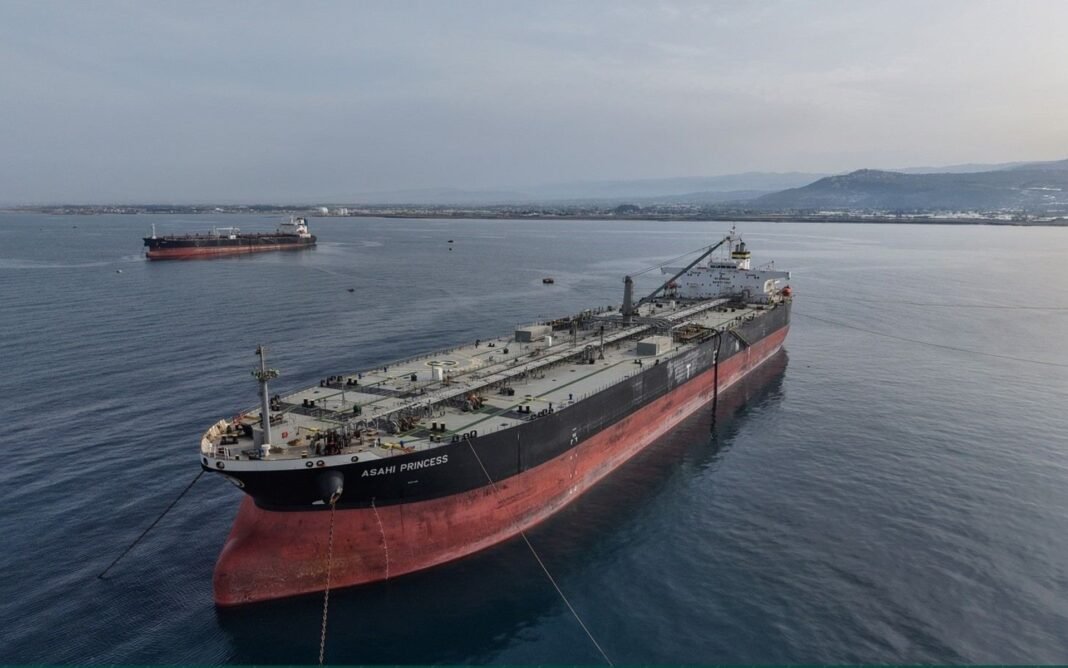
The Iraqi government is accelerating efforts to protect energy revenues as regional tensions continue disrupting shipping through the Strait of Hormuz. Prime Minister Ali al-Zaidi ordered oil officials to secure alternative pathways for crude exports and maintain tanker movement during the ongoing crisis. The latest measures highlight growing concern over the vulnerability of Iraq oil export routes.
Al-Zaidi issued the directives during a high-level meeting with Oil Minister Basim Khudair and senior officials from Iraq’s energy sector. The prime minister stressed that oil revenues remain the backbone of the Iraqi economy and warned that continued disruptions could place financial pressure on the country.
The discussions focused heavily on the impact of restrictions affecting the Strait of Hormuz. The strategic waterway handles nearly 20 percent of global oil and gas shipments, making it one of the world’s most important energy corridors. Since the outbreak of regional conflict in late February, shipping traffic through the area has faced major challenges and delays.
The Iraqi government now wants to diversify Iraq oil export routes to reduce dependence on a single maritime corridor. Officials believe alternative transport options could help stabilize exports if tensions continue escalating in Gulf waters.
According to Iraq’s state news agency, Khudair requested urgent approval of a fixed five-year budget aimed at protecting the country’s long-term energy infrastructure. The proposal seeks to shield strategic projects from political instability and regional security shocks that could affect production and exports.
Khudair also reviewed several major energy developments currently underway with foreign companies operating in Iraq. These projects include gas recovery initiatives led by TotalEnergies and the Basra Sun solar energy project. Iraqi officials view these investments as important steps toward strengthening the country’s energy sector and reducing waste.
The Hormuz crisis has already affected Iraq’s export performance. Official figures showed oil exports fell sharply to 18.6 million barrels in March, generating nearly $1.96 billion in revenue. In February, exports exceeded 99 million barrels and produced more than $6.8 billion.
The decline reflects the severe pressure regional instability placed on shipping operations and energy markets. Iraqi authorities now face growing urgency to maintain steady export flows and protect state income from additional disruptions.
Experts say Iraq’s dependence on oil revenue makes secure transportation routes essential for economic stability. Any prolonged interruption to Iraq oil export routes could affect government spending, infrastructure projects, and public sector financing.