

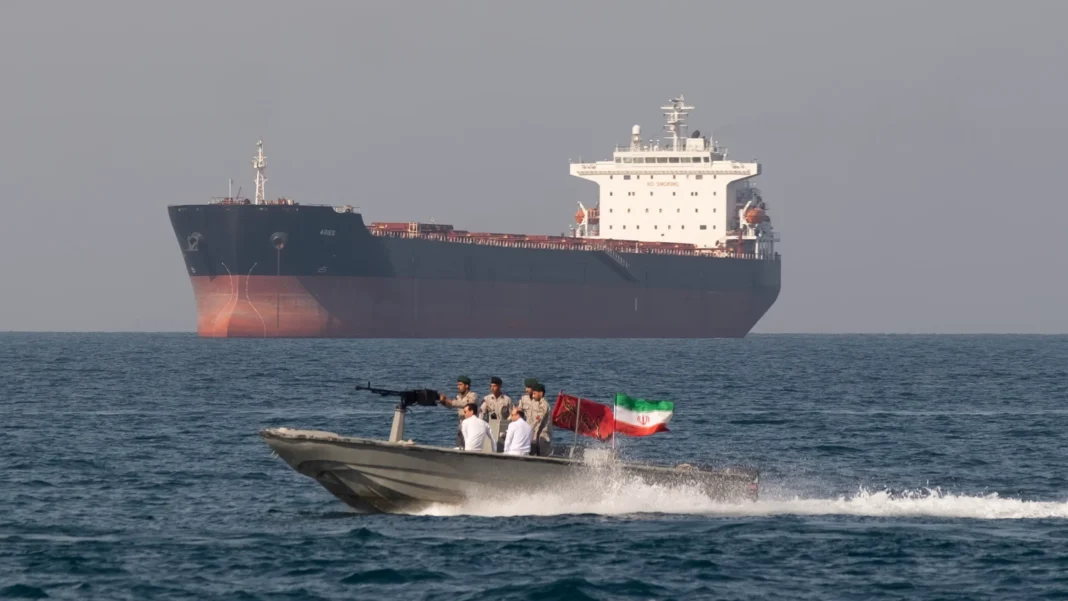
Global oil prices moved closer to the $105 mark on Tuesday as fragile diplomatic efforts between the United States and Iran continued to fuel market uncertainty. Traders remain concerned about possible supply disruptions linked to tensions around the Strait of Hormuz. The growing instability has pushed the oil price surge back into focus across global energy markets.
Brent crude futures rose by nearly one percent to reach $105.07 per barrel during early trading. Meanwhile, U.S. West Texas Intermediate crude gained almost one percent and climbed to $99.06 per barrel. Both major benchmarks had already recorded gains of nearly 2.8 percent during the previous trading session.
Markets reacted strongly after Donald Trump described the ceasefire discussions with Iran as being “on life support.” Washington and Tehran continue to disagree over several major demands tied to the conflict and regional security arrangements.
Iran reportedly requested the removal of a U.S. naval blockade and the resumption of unrestricted oil exports. Tehran also called for compensation linked to wartime damages while insisting on its authority over the Strait of Hormuz. The waterway remains one of the world’s most important energy shipping routes.
Roughly one-fifth of global oil and liquefied natural gas supplies pass through the Strait of Hormuz each day. As tensions increased, fears of shipping disruptions triggered renewed concerns about global supply shortages. Analysts say these risks continue driving the current oil price surge in international markets.
Energy analysts warned that the absence of a diplomatic breakthrough could push prices even higher in the coming weeks. Suvro Sarkar, who leads the energy sector team at DBS Bank, said market optimism over a peace agreement has started fading again. He noted that continued delays in negotiations may increase upward pressure on crude prices.
At the same time, producers have already started reducing exports because of security concerns near the Gulf shipping corridor. A recent Reuters survey showed that OPEC oil production during April fell to its lowest level in more than twenty years.
Tim Waterer, chief market analyst at KCM Trade, said a successful peace agreement could quickly lower prices by up to $12 per barrel. However, he warned that renewed threats against shipping routes could push Brent crude above $115 again.
Saudi Aramco CEO Amin Nasser also warned that prolonged disruptions in the Strait of Hormuz may delay global market stability until 2027. He estimated that the crisis could affect nearly 100 million barrels of oil shipments each week.
Investors also continue monitoring upcoming talks between President Trump and Chinese President Xi Jinping. The meeting comes after Washington imposed sanctions on individuals and companies accused of helping Iranian oil exports reach China.
For now, the continuing oil price surge reflects growing fears that geopolitical tensions could further tighten global energy supplies during the coming months.