

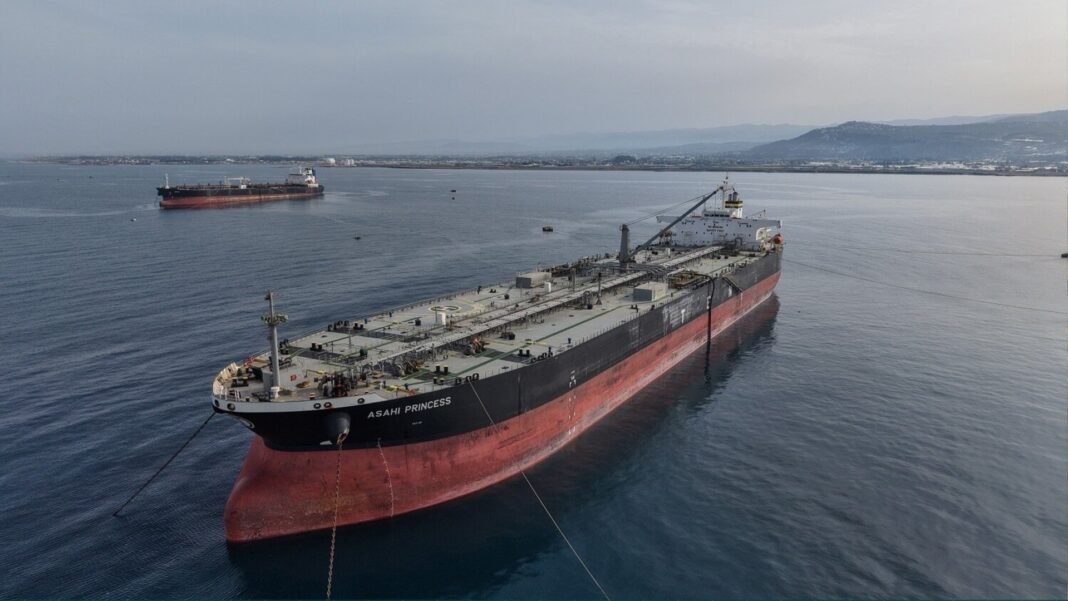
Iraqi oil via Syria is gaining momentum as the Baniyas port and refinery expand their role in regional energy transportation. New logistical measures and infrastructure improvements have accelerated fuel transit operations between Iraq and Syria amid changing regional trade routes.
Officials in Syria’s Tartus Governorate said the Baniyas refinery recently improved handling procedures for Iraqi fuel convoys. Authorities introduced new unloading yards and organized transport operations to reduce delays and increase efficiency along the Baniyas-Tartus road corridor.
Amjad Murtada, director of the Energy Services Directorate in Tartus Governorate, confirmed that the updated system helped streamline fuel transportation activities. The new procedures aim to support faster movement of Iraqi oil shipments arriving through Syrian territory.
The Baniyas facility sits on Syria’s Mediterranean coast inside Tartus Governorate. The location gives Iraq an alternative export and transit route during a period of growing regional shipping uncertainty and logistical pressure across the Gulf waterways.
Energy analysts say Iraqi oil via Syria could become increasingly important if regional maritime tensions continue affecting traditional export routes. Iraq heavily depends on oil revenues, making secure and flexible transportation networks essential for maintaining export stability.
The recent upgrades at Baniyas also reflect broader cooperation between Baghdad and Damascus in the energy and transportation sectors. Both countries continue exploring ways to strengthen trade links and improve cross-border infrastructure after years of regional instability.
Officials involved in the project believe faster convoy movement can reduce transportation costs and improve fuel delivery efficiency. Coordinated logistical procedures also help lower congestion and minimize operational delays along the transport corridor.
The Baniyas-Tartus route may additionally support wider regional trade activity beyond oil shipments. Infrastructure improvements along the corridor could encourage more commercial transportation and economic cooperation between Iraq and Syria in the future.
Iraqi oil via Syria has attracted attention from regional energy observers because of ongoing tensions affecting maritime trade routes in the Gulf region. Shipping disruptions and security concerns near strategic waterways continue pushing some exporters to seek alternative land and coastal transport options.
Experts believe Syria’s Mediterranean ports could provide Iraq with added flexibility for energy exports and fuel transport operations. However, long-term success will likely depend on regional stability, infrastructure investment, and continued political coordination between neighboring countries.