

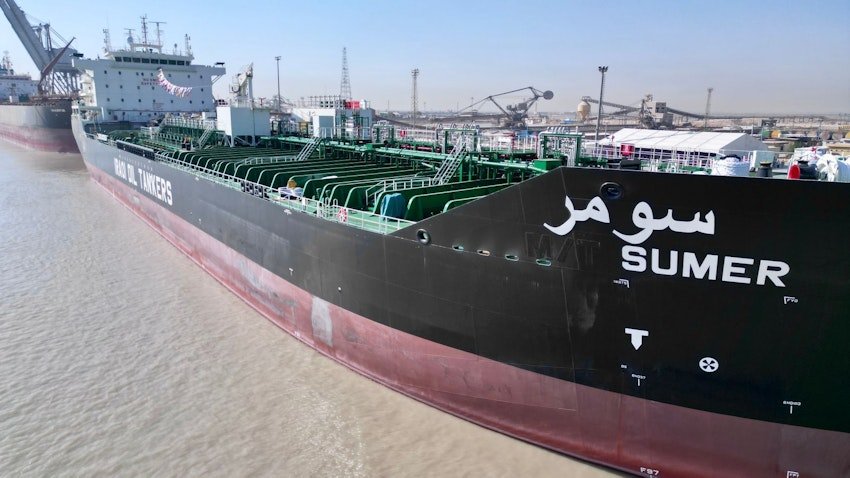
An Iraqi crude tanker successfully crossed the Strait of Hormuz despite ongoing regional tensions and disruptions affecting Gulf shipping routes. Iranian media reported on Monday that the vessel completed its transit through the strategic waterway on May 10.
According to Iran’s semi-official Tasnim News Agency, the very large crude carrier AGOIS FANOURIOS traveled through a route supervised by Iranian authorities. The tanker is currently sailing across the Sea of Oman toward Vietnam’s Nghi Son port.
The Strait of Hormuz remains one of the world’s most critical energy corridors. Regional conflict and security tensions have heavily disrupted maritime traffic there since late February, affecting oil exports from several Gulf countries.
Iraq depends heavily on the Strait for energy exports. Around 95 percent of Iraqi oil shipments normally pass through the strategic waterway before reaching global markets.
The Iraqi crude tanker transit comes as many shipping companies continue facing operational difficulties in the Gulf region. Vessel operators remain cautious because of security concerns, rising insurance costs, and unstable maritime conditions.
Energy markets continue to closely monitor tanker movements through Hormuz because disruptions there directly affect global oil supplies and international prices. Several Gulf producers reduced export activity during recent months because of shipping risks.
Shipping industry data also showed weaker marine fuel activity in Iraqi ports during April. Vinayak Kharmale, head of operations at Sea Crown Marine Services, said Iraq’s marine fuel sales dropped sharply last month.
Fuel sales declined from around 15,000 metric tons in March to nearly 7,000 metric tons in April. Kharmale linked the decline to navigation difficulties and voyage planning problems caused by regional instability.
The Iraqi crude tanker crossing may signal cautious efforts to maintain export operations despite ongoing tensions. However, analysts warn that regional maritime activity remains highly vulnerable to political and military developments.
Global energy markets continue reacting to every major update involving the Strait of Hormuz. Oil traders and shipping companies fear that further disruptions could tighten supplies and increase transportation costs worldwide.
Experts believe stable maritime security will remain essential for Iraq and other Gulf producers in the coming months. Continued uncertainty around Hormuz could affect export volumes, shipping schedules, and regional energy revenues.