

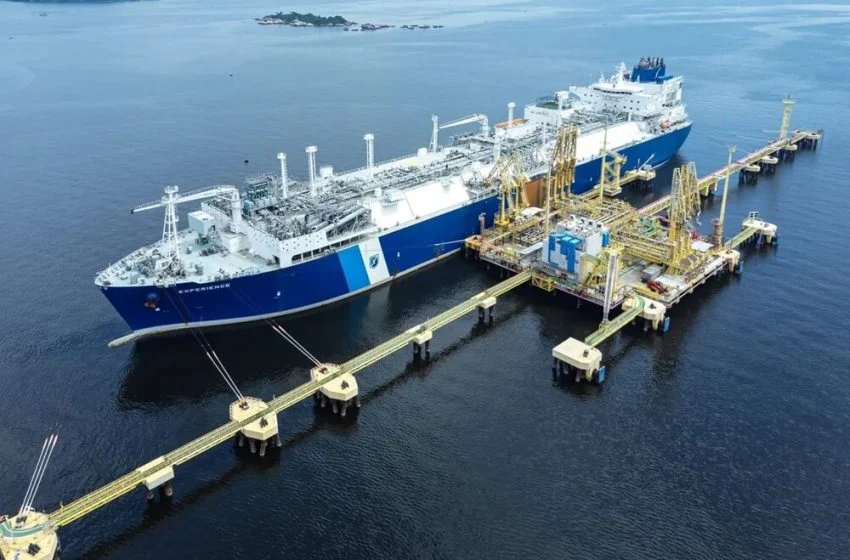
Iraq LNG terminal delay of 2 months disrupts 15m cubic meters plan and raises energy concerns. Moreover, officials confirmed setbacks at the country’s first liquefied natural gas facility. The Iraqi Ministry of Electricity announced the delay due to regional disruptions.
Furthermore, the Iraq LNG terminal delay of 2 months disrupts the 15m cubic meters plan, which links directly to shipping risks. The closure of the Strait of Hormuz has limited safe maritime access. As a result, LNG shipments cannot reach Iraqi ports on time. This disruption has affected energy planning across the country.
The terminal sits in Khor al-Zubair and serves as a key infrastructure project. Authorities expected the first LNG shipment earlier. However, new timelines suggest delivery may start in early August. In some cases, delays could extend further into winter.
In addition, the Iraq LNG terminal delay of 2 months disrupts the 15m cubic meters plan impacts the electricity supply. Power plants already face fuel shortages due to declining gas imports from Iran. Therefore, LNG imports remain critical to stabilize electricity generation.
The agreement with Excelerate Energy outlines long-term supply plans. Iraq expects to receive about 15 million cubic meters of gas per day. This supply will continue under a renewable five-year contract. Consequently, the project plays a central role in energy security.
Moreover, the floating LNG system includes a specialized vessel. The Floating Storage Regasification Unit will process imported gas. It can handle cargo shipments between 125,000 and 170,000 cubic meters. In addition, the terminal can process up to 500 million standard cubic feet per day. This capacity can generate between 3,000 and 4,000 megawatts of electricity.
However, the project depends on secure shipping routes. LNG cargo must travel safely from suppliers such as South Korea. Therefore, ongoing maritime risks continue to delay construction and operations. Civil works and port access also require stable conditions.
In addition, Iraq faces seasonal energy pressure. Electricity demand peaks during the summer months. At the same time, supply shortages worsen outages. Consequently, delays in LNG imports increase risks for the national grid.
Despite these challenges, the LNG terminal remains a strategic priority. It will diversify fuel sources and reduce reliance on imports from a single country. As a result, Iraq aims to strengthen long-term energy stability.
In conclusion, Iraq LNG terminal delay of 2 months disrupts the 15m cubic meters plan and highlights infrastructure challenges. While delays persist, the project remains essential for future electricity supply and energy security.