

Global oil prices rise 2% as geopolitical tensions increase across key regions. Moreover, stalled negotiations between the United States and Iran have added pressure. As a result, markets reacted quickly to supply concerns and uncertainty.
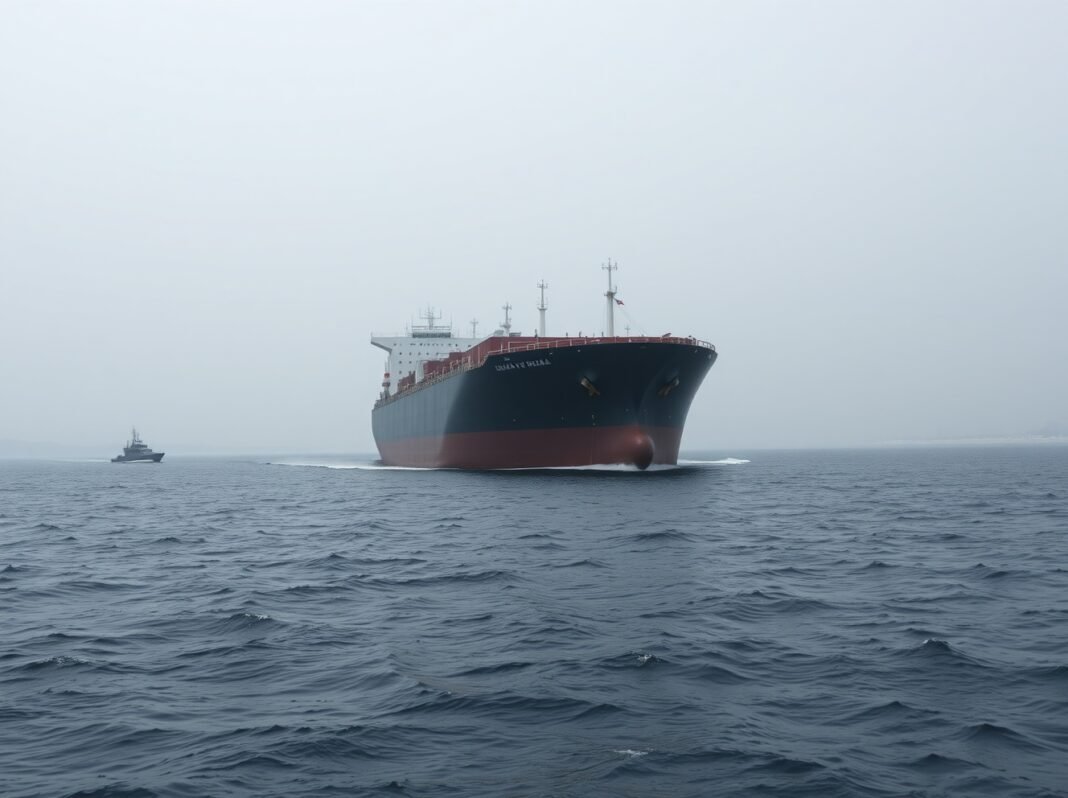
Global oil prices rise 2% while supply routes remain restricted. In particular, limited traffic through the Strait of Hormuz has tightened global supply. This route carries a large share of global oil shipments. Therefore, any disruption immediately affects prices worldwide.
Furthermore, benchmark prices recorded strong gains. Brent Crude increased by 2.16 dollars, reaching 107.49 dollars per barrel. At the same time, West Texas Intermediate rose by 1.77 dollars to 96.17 dollars per barrel. These levels marked the highest prices in weeks.
In addition, weekly gains remained significant. Brent crude increased by nearly 17 percent over the week. Meanwhile, WTI recorded a rise of about 13 percent. These gains represent the strongest weekly increases since the conflict began. Consequently, investors now watch developments closely.
Global oil prices rise 2% as diplomatic efforts weaken. Plans for renewed talks collapsed after Donald Trump canceled a key diplomatic visit. Envoys, including Steve Witkoff and Jared Kushner, did not travel as expected. Meanwhile, Abbas Araqchi arrived in Pakistan. This situation reduced hopes for quick progress.
Moreover, analysts warn about rising risks. Market experts believe Iran may face storage limits soon. If that happens, production cuts could follow. Therefore, supply constraints may become even tighter in the near term.
Shipping data also highlights the slowdown. Only one oil product tanker entered the Gulf in a day. This sharp drop reflects severe restrictions on maritime activity. Consequently, global supply chains face growing pressure.
In addition, major financial institutions adjusted forecasts. Goldman Sachs raised its outlook for oil prices. The bank expects Brent crude to reach 90 dollars per barrel in the fourth quarter. It also projects WTI at 83 dollars. These estimates reflect reduced output across the Middle East.
Analysts also noted broader economic risks. Higher oil prices can increase inflation worldwide. In addition, product shortages may emerge if supply remains tight. Therefore, markets remain highly sensitive to further developments.
In conclusion, global oil prices rise 2% due to stalled diplomacy and supply disruptions. The situation highlights the fragile balance in energy markets. As tensions continue, volatility will likely persist.