

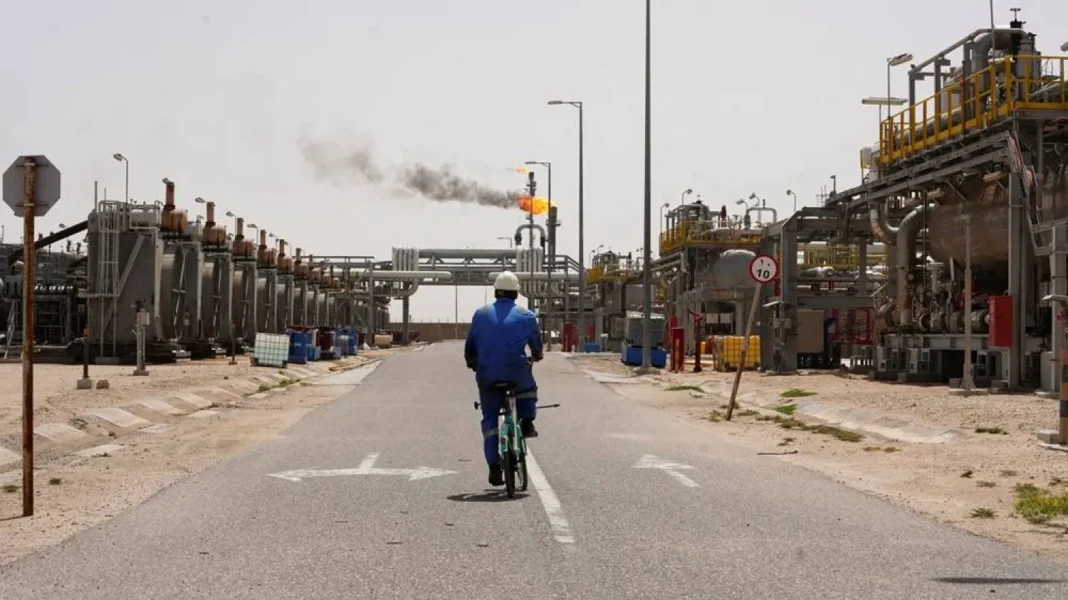
Baghdad – Iraq continues to face major energy challenges as Iraq’s oil recovery is delayed by war, and the Hormuz disruption outlook shapes long-term expectations. Experts warn that rebuilding oil output will take time due to conflict damage and shipping instability. The Iraq oil recovery, delayed by war and Hormuz disruption, now defines Iraq’s energy future.
The head of the International Energy Agency, Fatih Birol, said Iraq will need years to restore production capacity. He explained that prolonged regional conflict weakened infrastructure and reduced export efficiency. Therefore, recovery will remain gradual.
First, Iraq’s oil sector suffered heavy pressure from regional instability. Export routes faced repeated interruptions. As a result, production levels dropped below normal performance.
Next, maritime risks increased uncertainty across global energy markets. The Strait of Hormuz remains a critical route for global oil flows. Therefore, any disruption directly affects Iraq’s export stability.
Moreover, delayed shipments created visible shortages in global supply chains. Tankers carrying oil and gas arrived later than expected. Consequently, import-dependent markets faced tighter supply conditions.
In addition, analysts reported that no new shipments reached key destinations during certain periods. This gap increased pressure on global energy prices. Therefore, uncertainty spread across international markets.
Furthermore, experts warned that Iraq faces structural recovery challenges. Damaged infrastructure and logistical constraints slow production growth. As a result, rebuilding requires sustained investment and long-term planning.
At the same time, global energy institutions prepare emergency responses. They monitor supply risks closely and consider releasing reserves if disruptions continue. This strategy aims to stabilize global markets.
Meanwhile, Iraq continues efforts to restore its production capacity. Officials focus on rebuilding operations step by step. However, progress depends heavily on regional stability and secure trade routes.
In addition, energy experts highlight the importance of coordinated international cooperation. Without stable shipping lanes, recovery efforts face repeated setbacks. Therefore, diplomacy plays a key role in energy recovery.
In conclusion, the Iraq oil recovery delayed by war and Hormuz disruption outlook reflects deep regional and structural challenges. The Iraq oil recovery is delayed by war and Hormuz disruption; the outlook shows that stability and secure trade routes remain essential for full recovery.