

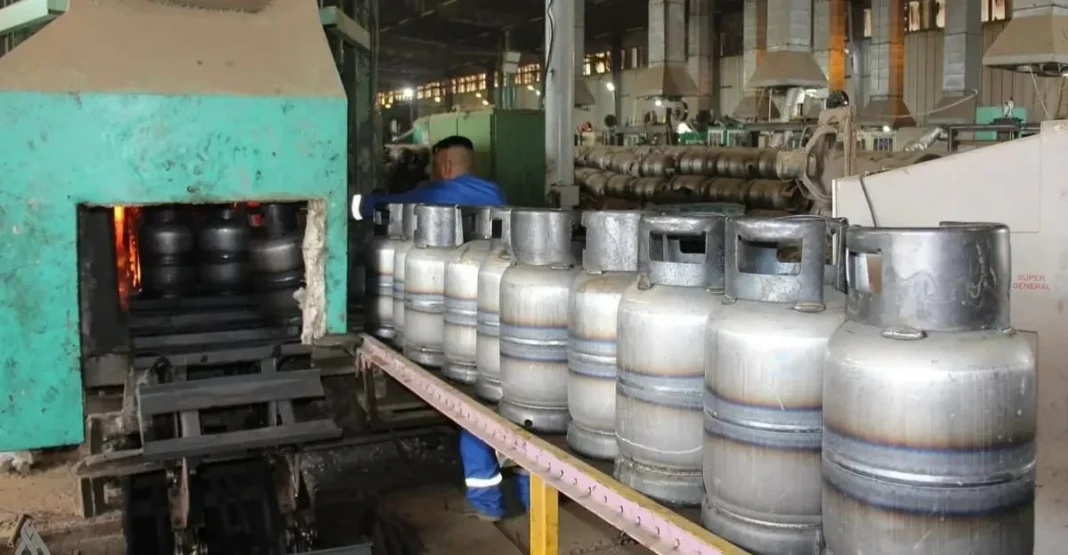
Iraq’s cooking gas output drops sharply as regional conflict disrupts oil production and supply chains. The Iraq cooking gas output drops and creates a major gap between supply and daily demand.
First, new data show a steep decline in liquefied petroleum gas production. Output fell by 53%, dropping from 9,500 tonnes per day to about 4,500 tonnes per day. This sharp decrease reflects the direct impact of ongoing tensions on energy production.
Moreover, Iraq previously relied on multiple sources for LPG supply. Around 3,000 tonnes per day came from the Basra Gas Company. The remaining volumes came from refineries and associated gas in oil fields.
However, the current drop in oil production has reduced gas output significantly. As a result, supply no longer meets domestic needs. Daily consumption ranges between 6,000 and 6,500 tonnes, which exceeds current production levels.
In addition, this imbalance forced authorities to use strategic reserves. Before the crisis, underground storage held around 107,000 tonnes of gas. Now, reserves have dropped to nearly 53,000 tonnes, showing rapid depletion.
Furthermore, experts warn that continued reliance on reserves may increase risks. Without production recovery, shortages could worsen. Therefore, immediate action remains necessary to stabilize supply.
At the same time, energy officials emphasize the need to expand storage capacity. Larger reserves would provide better protection during disruptions. In addition, distributing reserves across provinces would improve accessibility and reduce risks.
Meanwhile, the ongoing regional conflict continues to affect Iraq’s energy sector. Lower oil output directly impacts gas production since both sectors remain closely linked. Therefore, recovery depends on broader stability.
On the other hand, analysts expect further pressure if conditions persist. Supply chains may face additional strain, especially during peak demand periods. As a result, authorities must act quickly to avoid deeper shortages.
In conclusion, Iraq’s cooking gas output drops by more than half, creating a serious supply challenge. The Iraq cooking gas output drops and highlights the urgent need for stronger energy planning and infrastructure.