

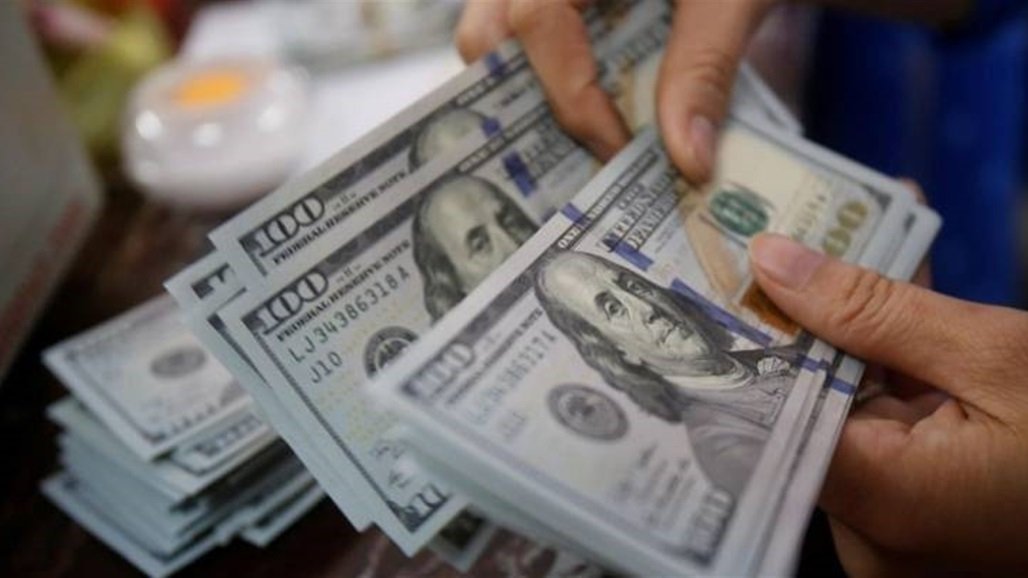
The U.S. dollar opened lower in Iraq, showing signs of softening across Baghdad and Erbil markets. Traders quickly reacted to local and global financial cues. As a result, dollar prices slip became the main trend in early trading.
In Baghdad, the dollar traded at 153,000 dinars per 100 dollars in Al-Kifah and Al-Harithiya exchanges. This figure dropped from Tuesday’s 154,600 dinars. Meanwhile, exchange shops in the capital sold dollars at 153,500 dinars and bought them at 152,500 dinars.
Erbil also saw declines in the currency market. There, sellers listed the dollar at 153,650 dinars and buyers paid 153,550 dinars. The decrease reflects both local demand fluctuations and broader economic factors. Therefore, dollar prices slip influenced market sentiment in both major cities.
Analysts note that regional stability and oil price movements often affect Iraq’s foreign currency rates. Changes in trade flows and imports also impact the dinar-dollar relationship. Consequently, traders closely watch developments in Baghdad and Erbil to adjust their positions.
Despite the decline, dollar prices slip remains moderate compared to previous volatility spikes. Officials and financial institutions continue monitoring exchange activity to prevent sudden disruptions. In addition, local authorities encourage transparent reporting of currency transactions.
Market participants observe that small fluctuations can influence purchasing power and investment decisions. As a result, businesses and citizens pay close attention to the daily rates. The central bank’s policies and global financial trends continue shaping Iraq’s exchange market.
In conclusion, dollar prices slip in Baghdad and Erbil highlights a temporary easing in currency demand. Traders remain alert to geopolitical developments, oil prices, and domestic economic policies. Short-term changes affect buying and selling patterns, but long-term trends depend on broader financial stability.